Walk west from the restaurants on Bishop Avenue and in about fifteen minutes on foot you're standing under mature oak canopy in Kessler Park, looking at a Tudor Revival cottage from the neighborhood's first wave of development in the 1920s. The two neighborhoods share a zip code, a border only a few blocks wide, and a habit of showing up together in the same real estate search. They do not share a market.
As of February 2026, the median sale price in Bishop Arts was running around $515,000. A short drive up the hill, Kessler Park's broader median was closer to $790,000 as of March 2026, and sellers of well-kept homes with original architectural character were asking $1.1 million to $1.3 million. Buyers who put these two numbers side by side on a spreadsheet tend to read them as one market moving. They aren't. They're two different housing products, governed by two different sets of rules, that happen to sit within walking distance of each other.
That distinction matters more than the dollar figure does, and it's the reason a fair number of offers on both sides of this boundary get priced wrong.
Same Search Results, Different Housing Stock
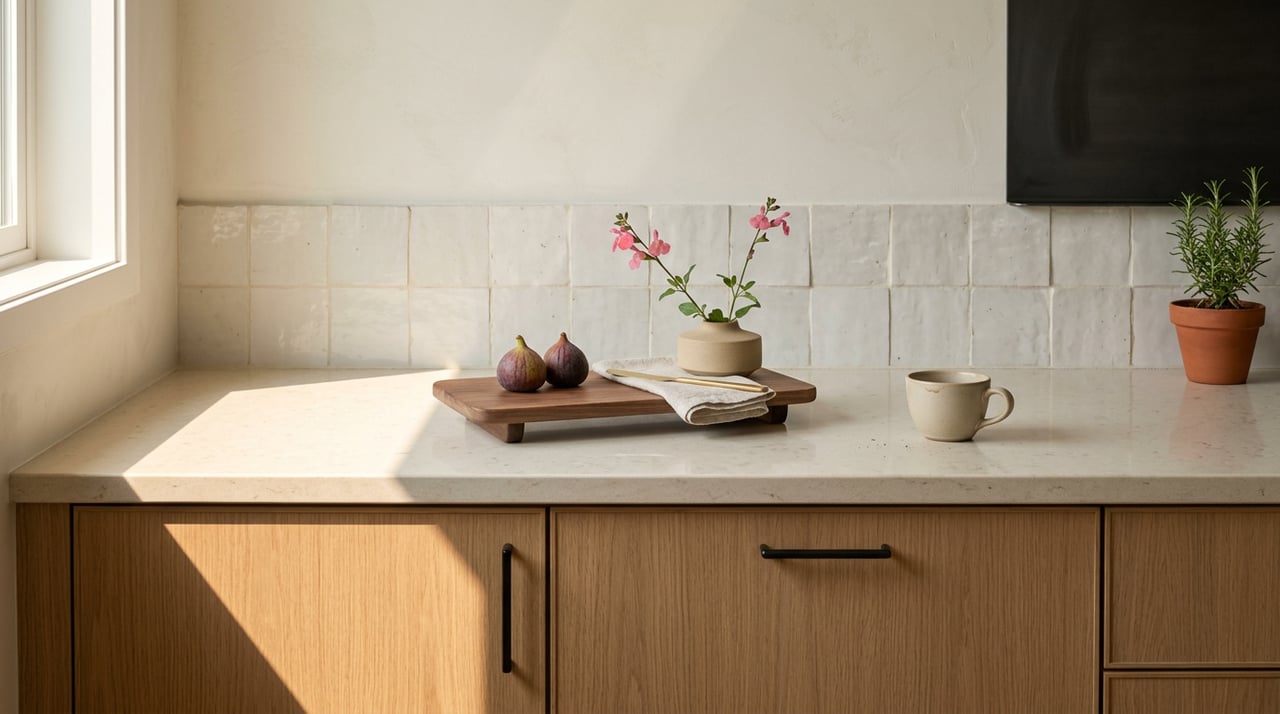
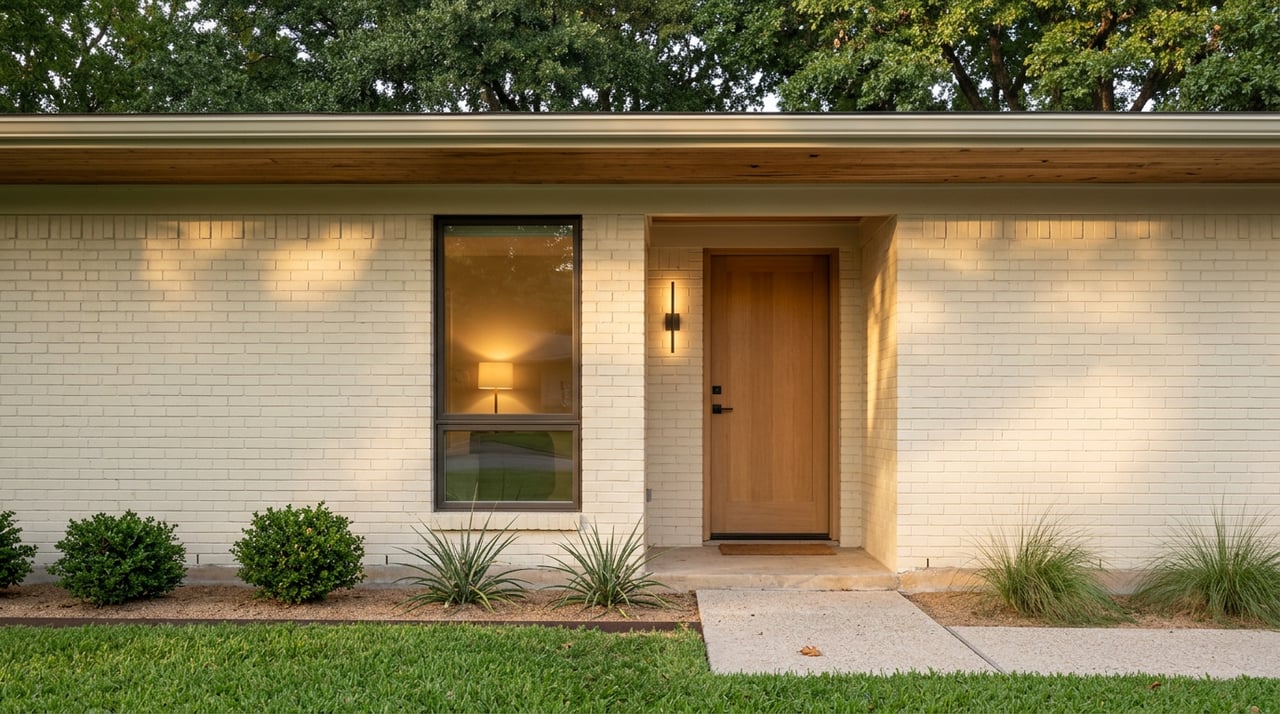
Bishop Arts grew up around a commercial corridor. Its residential streets fill in around that corridor with small-lot bungalows, converted duplexes, and a steady wave of new-construction infill, typically 2,000 to 3,000 square feet, built on lots that were platted for density from the start. It's the kind of housing stock that supports a fast-moving, lifestyle-driven buyer pool, and it prices accordingly.
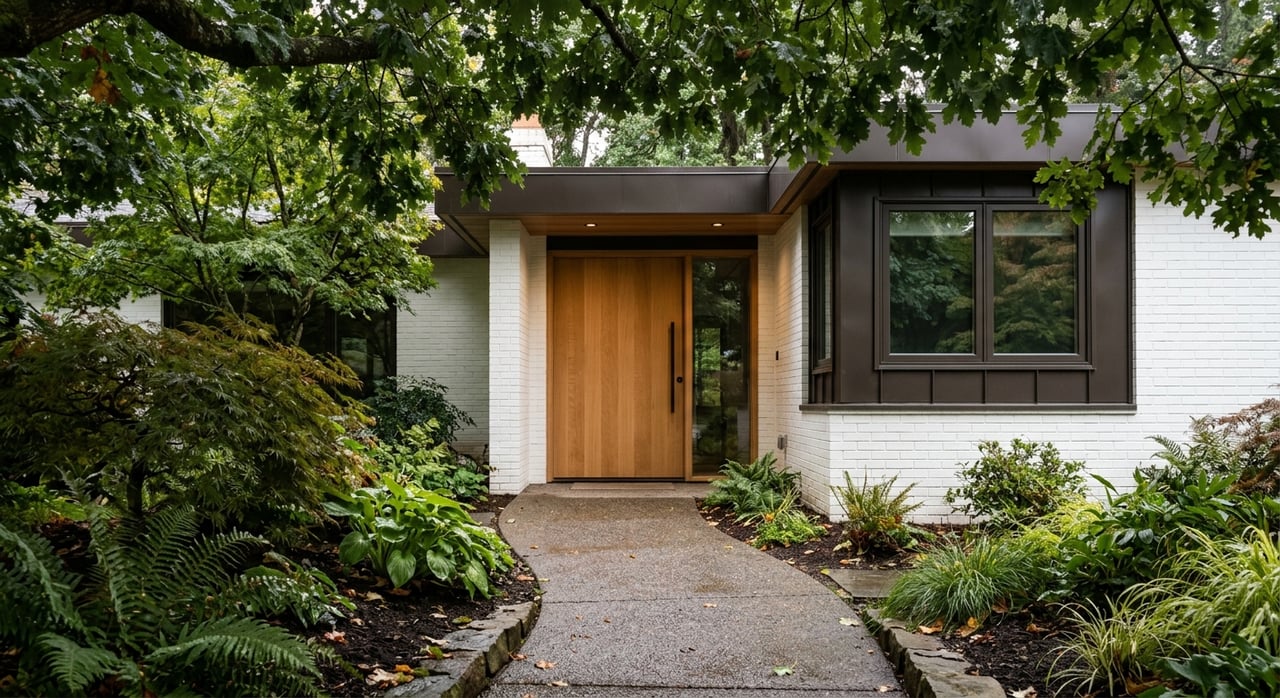
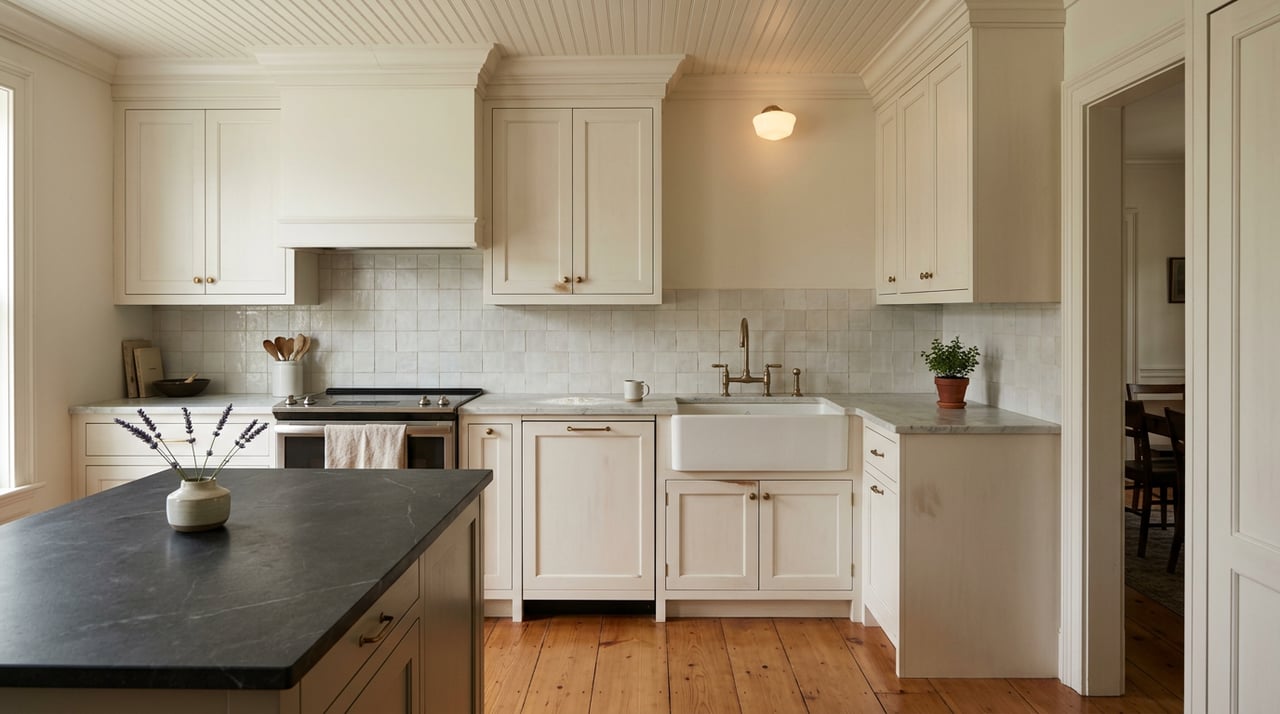
Kessler Park is a different animal entirely. It was platted starting in 1923, developed in stages through the 1950s with a few postwar sections added as late as 1979, and it sits on genuinely hilly terrain, a rarity in a city as flat as Dallas. The neighborhood holds roughly 1,200 to 1,500 single-family homes, most of them 70 to 100 years old, averaging 2,200 to 4,200 square feet on lots that commonly run a quarter acre or larger. One listing that came to market in February 2026 sat above the newly renovated Stevens Park Golf Course: four bedrooms, a comprehensive down-to-the-studs renovation, and a finished basement, which is unusual enough in Texas to be worth mentioning on its own, priced at $1.2 million.
That's not a more expensive version of a Bishop Arts bungalow. It's a different category of home, on a different lot size, under a different set of construction rules. Comparing the two medians without accounting for that is like comparing the price of a condo to the price of a house because they're both technically "homes for sale."
| Bishop Arts | Kessler Park | |
|---|---|---|
| Typical product | Bungalows, new infill, condos and townhomes | Revival-era cottages and postwar estates |
| Lot size | Small, platted for density | Quarter acre or larger, hillside terrain |
| Median sale price | ~$515,000 (Feb 2026) | ~$790,000 broader area; $1.1M-$1.3M for renovated character homes (2026) |
| Days on market | 88 days, vs. a 54-day national average (Feb 2026) | Varies sharply by sub-pocket, see below |
| Exterior renovation | Governed by standard city permitting | Requires Certificate of Appropriateness in the Conservation District |
The Percentage That Should Make You Pause
Here's where it gets interesting, and where a headline stat can mislead a buyer who doesn't ask a follow-up question.
Look at East Kessler Park, one of the smaller sub-pockets inside the larger Kessler Park footprint. In February 2026, the tracked median sale price there was $725,000, down 19.5 percent year over year, with homes taking 140 days to sell compared to 38 days the year before. A month later, the same tracker for the same streets showed the median at $649,600, down 46.7 percent year over year.
That's not a neighborhood losing nearly half its value in thirty days. That's what a median does when it's built on a small number of transactions. East Kessler Park doesn't close enough sales in a given month for a median to behave like a stable measurement. One $2 million estate sale rolling out of the trailing twelve-month window, or one renovated starter home rolling in, can swing the reported percentage by double digits without a single comparable home actually losing value.
A median calculated from a handful of closings a year isn't a price signal. It's closer to a coin flip that happens to land on a number.
This is the trap in cross-shopping these neighborhoods using portal-style percentage changes. The bigger, more liquid Bishop Arts market, with more transactions feeding its median, gives you a number you can actually lean on. The thin, high-value Kessler Park sub-pockets do not, and treating a 46 percent swing there as market truth will lead a buyer to either lowball a seller who has every reason to hold firm, or panic-price a listing that doesn't need it.
Why the Gap Is Structural, Not Seasonal
The reason Kessler Park stays thin isn't bad luck. It's zoning.
The Kessler Park Conservation District, established on May 25, 2005, covers seven of the neighborhood's ten platted sections, going back to the original Kessler Square addition filed in 1923. Homes inside the district can be renovated freely on the interior, but any exterior change, from a window swap to an addition, requires a Certificate of Appropriateness from the city before work begins. That process protects the character that makes Kessler Park what it is, and it also means the neighborhood's built form is essentially fixed. New lots aren't getting subdivided. Teardown-rebuilds that change a home's footprint face real friction. The inventory that exists today is close to the inventory that will exist five years from now.
Bishop Arts is moving in the opposite direction. According to Hoodline's April 2026 coverage, Dallas's City Plan Commission voted 12 to 2 to recommend lifting a 1978 deed restriction on a vacant lot at 715 W. Davis Street, a short walk from the district's core, a move that could clear a path for a proposed five-story mixed-use project once the City Council weighs in. The case carries a new wrinkle: state legislation known as SB 840, which took effect September 1, 2025, allows apartment and mixed-use residential projects in districts already zoned for office, commercial, retail, or warehouse use, without a separate city rezoning. That shifts the leverage in redevelopment cases across North Texas, and Bishop Arts, sitting on commercially zoned corridors, is one of the places where it shows up first.
Put simply: Kessler Park's supply of transactable homes is locked in by design. Bishop Arts's is actively expanding. That's the structural reason these two medians will keep behaving differently, not just this year but for as long as the current rules hold.
What This Means If You're Choosing Between Them
A few practical takeaways worth carrying into a search:
- Don't comp one neighborhood against the other. A Bishop Arts appraisal built on Kessler Park sales, or the reverse, will miss badly. Ask any agent pulling comps to stay inside the product type, not just the map boundary.
- Budget time differently for renovation work. Interior updates move at a normal pace in either neighborhood. Exterior changes in Kessler Park go through Certificate of Appropriateness review first, which adds weeks to months depending on scope.
- Treat percentage-change headlines for thin sub-pockets with skepticism. If a listing agent or a portal quotes a dramatic year-over-year swing for a small area like East Kessler Park, ask how many transactions the number is built on before you let it change your offer.
- Understand what each neighborhood can and can't become. Kessler Park's Conservation District status means its streetscape is largely locked in. Bishop Arts saw a live zoning case move through the city this year that could still reshape what gets built around it.
A Few Common Questions
Does historic designation in Kessler Park mean I can't renovate the house I buy? No. Interior renovations, including kitchens, bathrooms, and mechanical systems, are not regulated by the historic overlay. Only exterior changes require a Certificate of Appropriateness, and the City of Dallas Office of Historic Preservation publishes guidance on what that process involves.
Is Bishop Arts still appreciating, or has it plateaued? Pricing through early 2026 showed roughly 11 percent year-over-year appreciation on the neighborhood's median, with new-construction infill reaching $850,000 to $900,000 or more at the top end. That's a market still moving, not one that has settled.
Why do I see such different numbers for Kessler Park depending on where I look? Because "Kessler Park" gets used loosely to describe everything from the original 1920s core to smaller adjacent pockets like East Kessler Park. Each has its own transaction volume, and the smaller the pocket, the more a single high-value sale can swing the reported median in either direction.
If you're weighing a walkable Bishop Arts infill against a wooded Kessler Park estate, the honest answer is that you're weighing two different kinds of ownership, not two prices for the same thing. The Dallas Realtor, Dustin Merritt has spent nearly two decades working both sides of this boundary and can walk you through what each dollar actually buys before you write an offer. Schedule a free consultation to talk through which market fits what you're actually looking for.