You do not have to choose between a close-knit neighborhood feel and everyday convenience. In the L Streets of Lake Highlands, daily life often looks simple in the best way: older ranch homes, familiar streets, nearby parks, and easy coffee or dinner options that fit real routines. If you are curious about what it actually feels like to live here, this guide walks you through the housing character, outdoor habits, local gathering spots, and the steady sense of community that keeps people connected. Let’s dive in.
What defines the L Streets
The L Streets are an established pocket within Lake Highlands, generally described as sitting between Plano Road, Ferndale, Northwest Highway, and McCree. Local coverage traces the neighborhood back to 1954, and its name comes from the many street names that begin with the letter L.
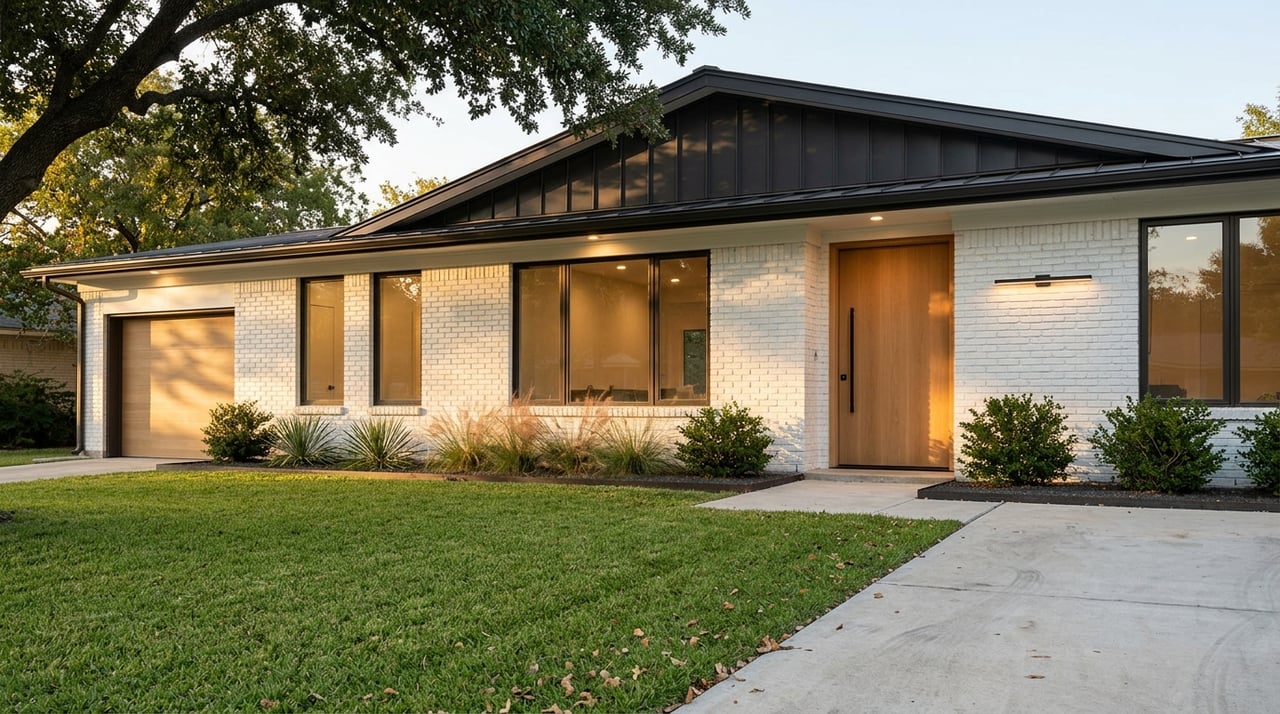
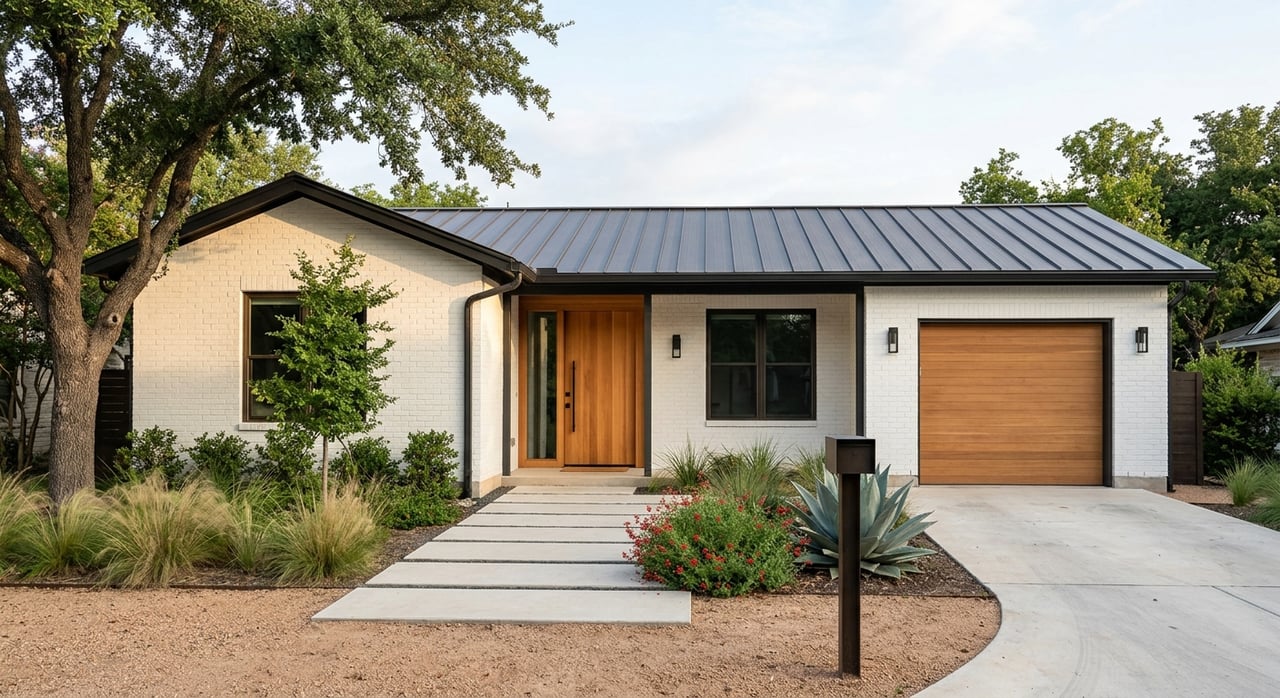
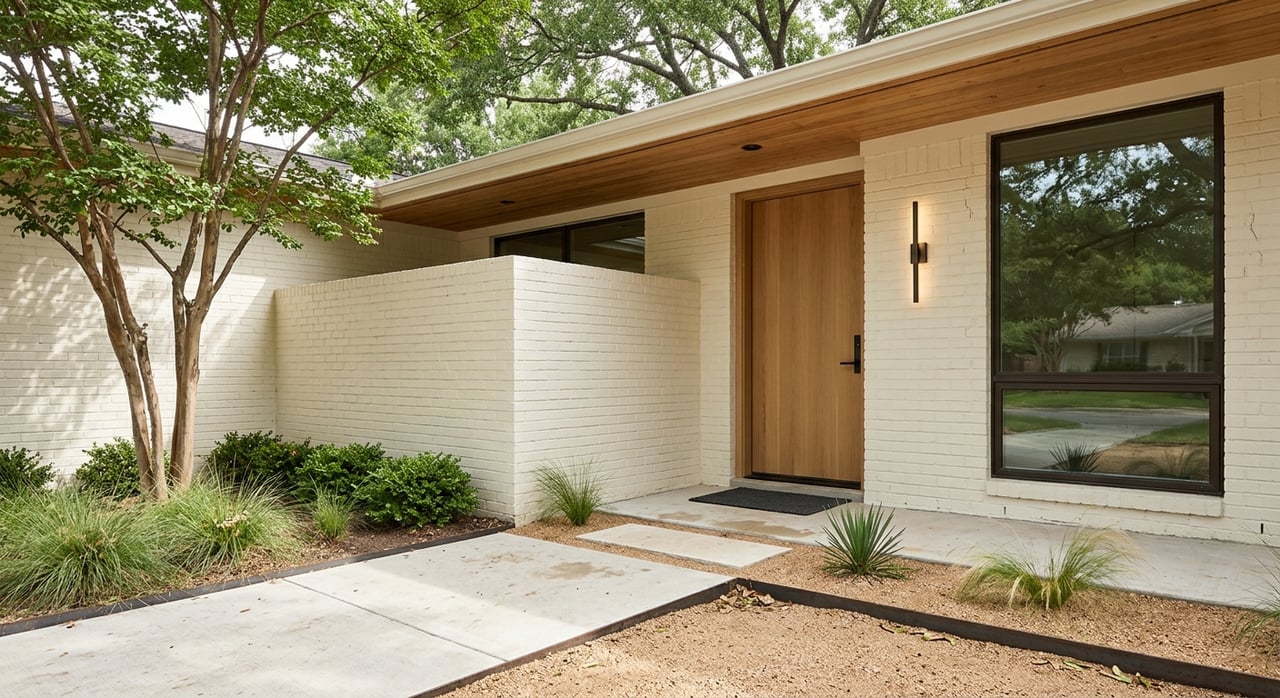
That origin still shapes how the area feels today. It is largely residential, with many original 1950s- and 1960s-era ranch and single-story homes that give the neighborhood a distinct identity within East Dallas. Compared with nearby commercial corridors, the streets themselves often feel quieter and more rooted in day-to-day neighborhood life.
Everyday rhythm feels neighborhood-first
One of the clearest things about the L Streets is that daily life tends to happen close to home. Local reporting has described sidewalks filled with parents walking children to Lake Highlands Elementary or heading to the playground, which gives the area a visible, lived-in rhythm.
That matters if you want a neighborhood that feels active without feeling rushed. Instead of relying on a single entertainment district, the L Streets support a more practical pattern of living: morning walks, nearby errands, casual meals, and recurring community events.
Lake Highlands Elementary is a local anchor
Lake Highlands Elementary sits on Ferndale Road and remains an important part of the neighborhood fabric. It is also noted as the first elementary school built in Lake Highlands.
When a school sits this visibly within a neighborhood, it often becomes part of the daily backdrop. In the L Streets, that shows up in sidewalk activity, playground use, and the familiar routines that make an area feel connected from one block to the next.
Outdoor living is built into the routine
If you enjoy neighborhoods where you can get outside without making a whole production of it, the L Streets have a lot going for them. Residents use the streets themselves for walking, and the neighborhood association has even organized a 2.2-mile National Night Out run/walk route.
That local habit connects well with the larger park and trail options nearby. You can keep things simple with a short walk close to home or branch out to bigger recreation spaces when you want more room.
White Rock Lake adds big recreation nearby
White Rock Lake Park is a 757.2-acre metropolitan park established in 1929. According to Dallas Parks, it includes a 9.33-mile hike and bike trail along with picnic areas, boat ramps, a dog park, and other recreation features.
For L Streets residents, that means one of Dallas’ best-known outdoor assets is part of the broader lifestyle mix. It adds a larger-scale option for biking, running, walking, or spending time outdoors on the weekend.
Trails and parks support daily flexibility
Dallas Parks identifies White Rock Creek Trail as a northeast Dallas trail, and the department notes that linear trails are designed to connect parks, neighborhoods, employment centers, and transit centers. That kind of connectivity matters when you want outdoor access to fit real life, not just special occasions.
Closer to the neighborhood, Walne Park offers a strong set of community amenities. This 27.9-acre park includes a playground, pool, sprayground, tennis courts, trails, and a recreation center.
Watercrest Park at Lake Highlands Town Center adds another nearby option, with trails, a pond, and open community-park space. Together, these places help explain why outdoor time in this part of Dallas can feel easy to work into a normal week.
Coffee, meals, and errands stay easy
The L Streets are not built around nightlife, and that is part of the appeal for many people. The nearby food and drink mix is more about reliable neighborhood spots that support weekday mornings, lunch meetings, and casual dinners.
That kind of convenience can shape your experience of a neighborhood more than people expect. When coffee, breakfast, or a quick family meal are close by, your routine tends to feel lighter.
Local favorites fit real schedules
White Rock Coffee’s Lake Highlands location is the company’s original store, dating to 2003. At 10105 E NW Hwy, it offers dine-in, drive-thru, patio, and Brew Lab service, which makes it flexible whether you are meeting a friend or grabbing coffee on the go.
First Watch at 9285 Lookout Point is open daily from 7 a.m. to 2:30 p.m. and serves breakfast, brunch, and lunch. Mi Cocina at 7215 Skillman Street offers Tex-Mex, a kids’ menu, and free parking, while Resident Taqueria at 9661 Audelia Road describes itself as a community-based, family-friendly concept created because the owner wanted a taqueria close to home.
Taken together, these spots support a practical, low-key lifestyle. They are part of what makes the area feel livable from Monday through Sunday, not just fun on occasion.
Community traditions keep people connected
The L Streets have long benefited from a neighborhood association that serves as a social and information hub. Local reporting has highlighted events and traditions such as annual garage sales, block-party ideas, Fourth of July and Halloween activities, and a neighborhood National Night Out walk.
These kinds of recurring events matter because they make neighbors more visible to each other. In a large city, that sense of familiarity can be a big part of why a neighborhood feels comfortable over time.
Lake Highlands adds wider community rituals
The broader Lake Highlands area reinforces that connection with larger annual traditions. In 2024, the Exchange Club’s Fourth of July parade drew crowds with vintage cars, decorated bicycles, drumlines, and a carnival at Lake Highlands North Park.
Holiday in the Highlands is another long-running tradition, with a 45-year history as a fundraiser and home tour. Together, these events help explain why lifestyle coverage often describes Lake Highlands as having a small-town feel inside a major city.
For the L Streets, that description fits the scale of everyday life. People know the streets, recognize the recurring events, and often build routines around familiar local touchpoints.
Why so many owners renovate instead of leave
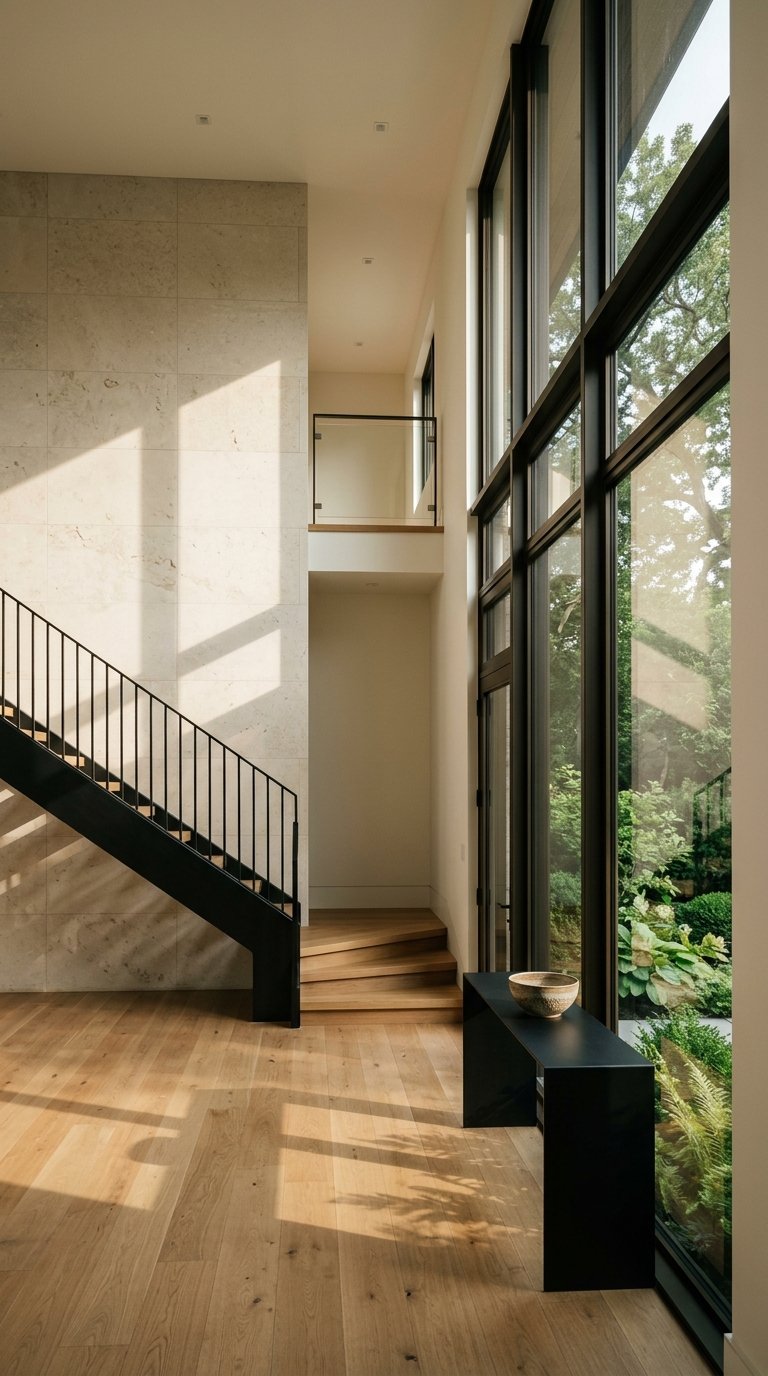
A big part of life in the L Streets comes back to the homes themselves. The neighborhood is known for its original ranch and single-story houses, and that older housing stock naturally creates a conversation around updating, preserving, and improving what is already there.
Local coverage suggests many residents stay invested in the area because those homes have character worth keeping. In many cases, owners preserve original features rather than replacing them with an entirely blank-slate approach.
Older homes bring both charm and projects
A 2025 interview with a Lake Highlands native who remodels homes noted that many area houses date to the 1950s and 1960s and may need updated gas lines, wiring, and layouts, even when the bones are solid. That is a practical reality in neighborhoods with this kind of vintage housing stock.
At the same time, another local profile notes that homeowners often try to preserve original hardwoods and other period features. For buyers and owners who appreciate design character, that balance can be a major draw.
Renovation here is often value-driven
In the L Streets, renovating is not only about sentiment. It is also a practical response to lot character, existing home style, and the value of staying in a neighborhood people feel attached to.
That is one reason the area continues to attract buyers who can see the upside in thoughtful updates. If you like the idea of a home with history, but also want room to improve function over time, this neighborhood often offers that mix.
What everyday living really feels like
At its core, the L Streets offer a version of Dallas living that feels steady and grounded. You have established homes, recognizable streets, nearby parks, trail access, practical dining options, and a pattern of community events that help the neighborhood stay connected.
For some buyers, that means a place with renovation potential and long-term appeal. For others, it simply means a neighborhood where daily life feels easier to picture, from a morning coffee run to an evening walk.
If you are weighing a move in Lake Highlands, the L Streets stand out because they are not trying to be everything at once. They offer character, routine, and a sense of place that has stayed relevant for decades.
If you want help understanding how the L Streets fit your goals as a buyer or seller, Dustin Merritt can help you navigate Lake Highlands with local insight, practical guidance, and a clear plan.
FAQs
What is the L Streets neighborhood in Lake Highlands?
- The L Streets are an established residential pocket in Lake Highlands, generally bounded by Plano Road, Ferndale, Northwest Highway, and McCree, with many streets that begin with the letter L.
What kind of homes are common in the L Streets?
- The neighborhood is known for many original 1950s- and 1960s-era ranch and single-story homes, and many owners choose to renovate or preserve key original features.
What parks are near the L Streets in Dallas?
- Nearby outdoor options include White Rock Lake Park, Walne Park, Watercrest Park, and access to White Rock Creek Trail and other connected recreation areas.
What is daily life like in the L Streets?
- Daily life tends to feel neighborhood-first, with walking routes, nearby parks, practical coffee and dining spots, and recurring community traditions that keep residents connected.
Why do buyers look at the L Streets in Lake Highlands?
- Buyers are often drawn to the neighborhood’s established character, original home styles, renovation potential, and the balance of quiet residential streets with nearby amenities.