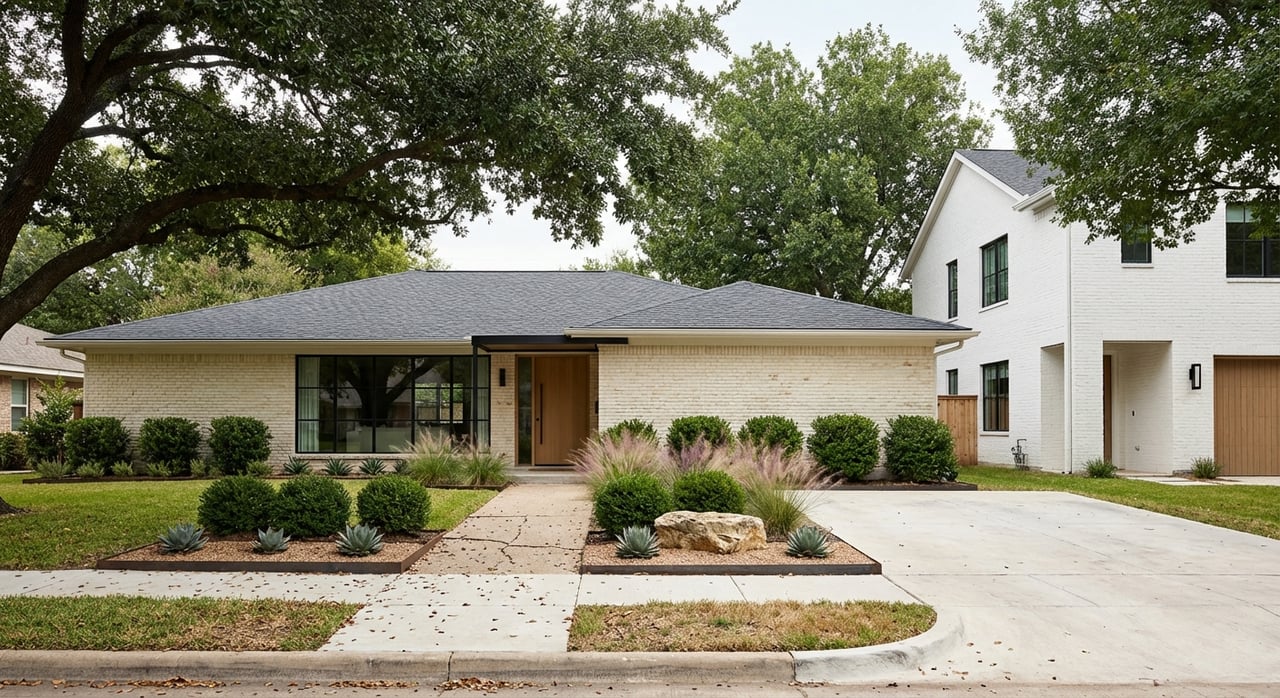
Torn between a sleek new build and a charming original ranch in Midway Hollow? You are not alone. Many buyers love this neighborhood but feel stuck choosing between modern convenience and timeless character. In this guide, you will compare layouts, budgets, timelines, energy use, permits, and taxes so you can match the right home type to your lifestyle and goals. Let’s dive in.
Midway Hollow at a glance
Midway Hollow sits in northwest Dallas, just north of Love Field, within boundaries commonly cited as Walnut Hill Lane to the north, Northwest Highway to the south, Midway Road to the east, and Marsh Lane to the west. You will find a mix of mid‑century ranches and newer two‑story infill on generous lots. For a quick neighborhood snapshot of these boundaries and history, see the Midway Hollow overview.
Typical historic parcels hover around a quarter acre, and original 1950s ranches often measure 1,200 to 1,800 square feet. Those lot sizes and original footprints are noted in D Magazine’s neighborhood spotlight. Today, the market is split: recent neighborhood summaries show a median sale price near the high‑$900s, while many new‑build listings trade from the low‑$1.3M range to well above $2M depending on size and finishes. Prices move quickly, so plan to check the latest data before you write an offer.
Original ranch: what to expect
Layout and feel
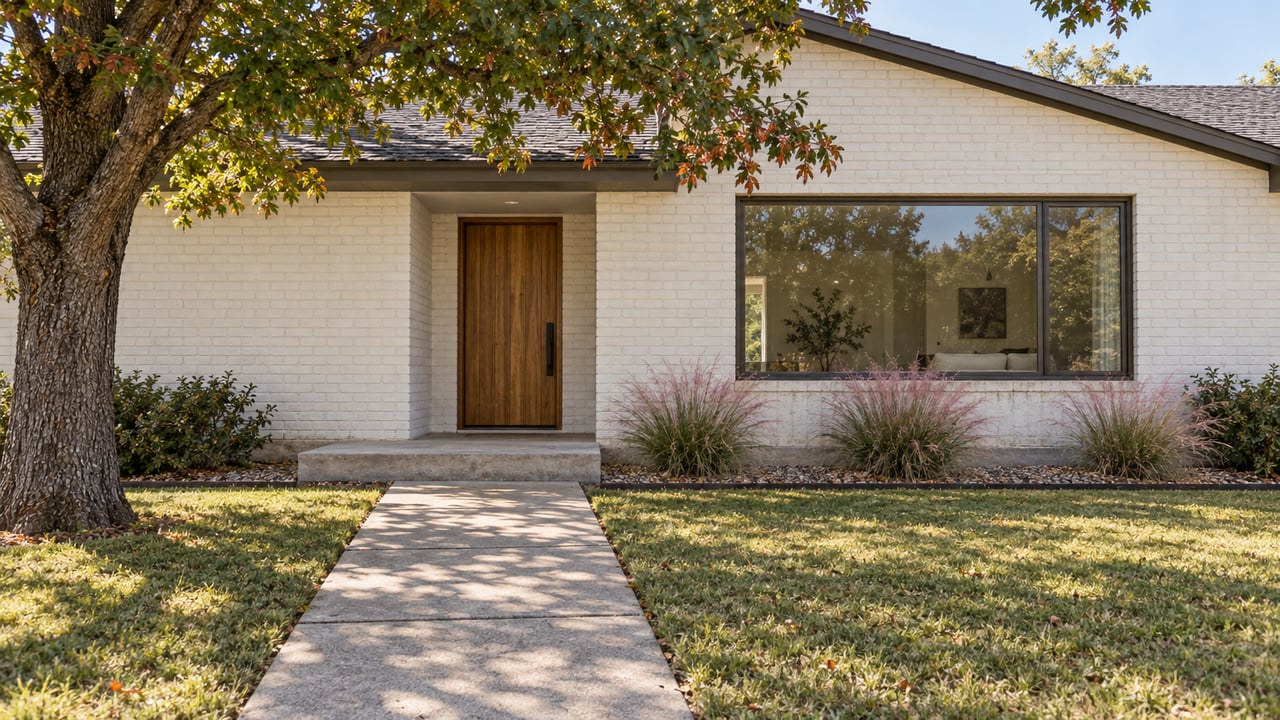
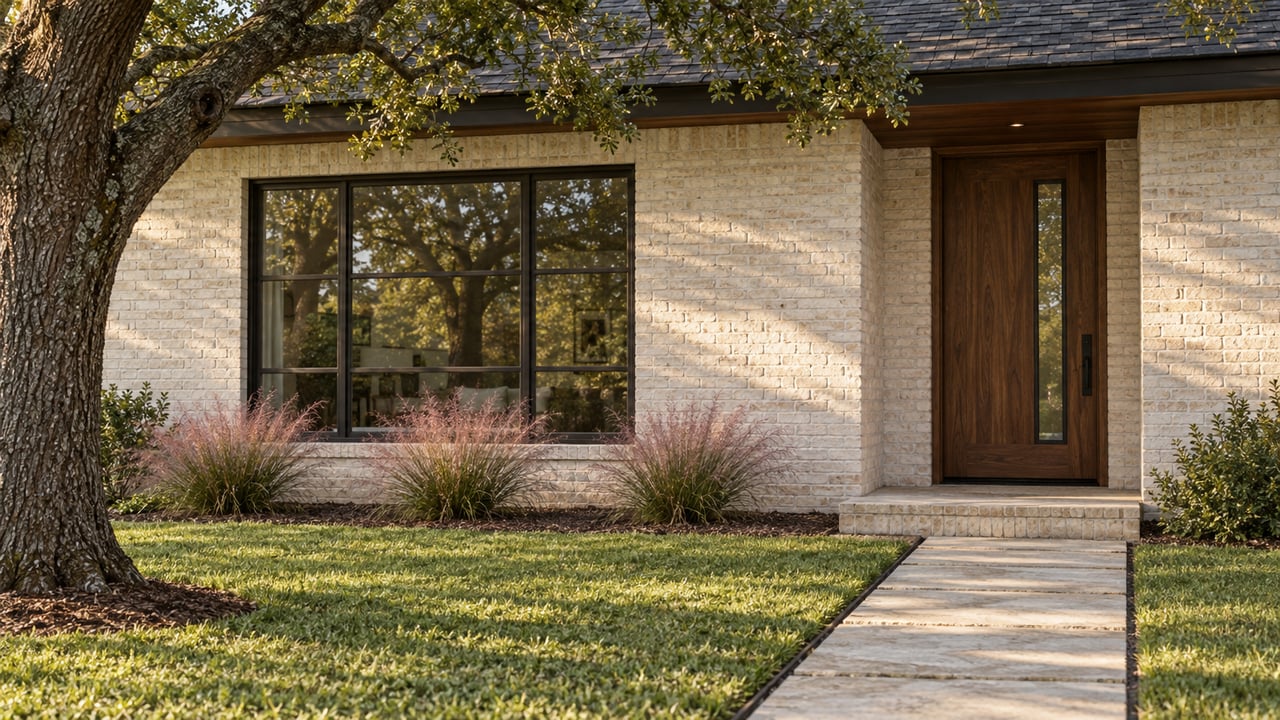
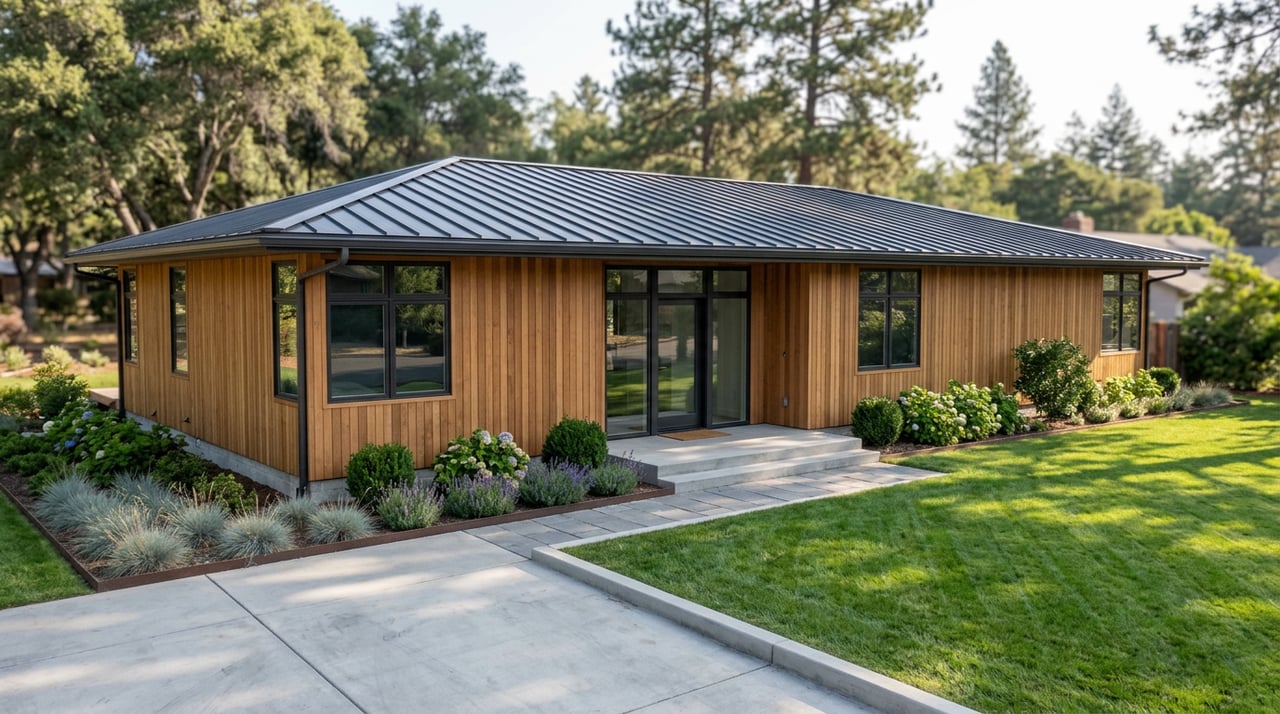
Most original ranches are single level, with 2 to 3 bedrooms and 1 to 2 baths. Rooms can feel cozier than newer homes, and many have hardwood floors and pier‑and‑beam foundations. Kitchens are often compact by today’s standards, though many homes have opened walls or added modest expansions over time.
Pros to love
- Character and charm the day you move in.
- Larger yards relative to the house size and mature trees that frame outdoor living.
- Typically a lower purchase price than a new custom home on the same lot.
- Often a shorter closing timeline once inspections and financing clear.
Watch‑outs and budget lines
- Older mechanicals and electrical can need updates sooner.
- Pier‑and‑beam homes can require crawlspace, plumbing, or leveling work if maintenance has lagged.
- Renovations may uncover code‑triggered upgrades or pre‑1978 materials that require special handling.
If you are considering renovations, many buyers start with sightline improvements and kitchen expansions before thinking about additions. For style context and a taken‑to‑the‑studs example, local coverage of Midway Hollow remodels is a helpful reference point. When planning scope, use the Dallas region’s Cost vs. Value data to set expectations. The latest Dallas table shows smaller projects like a minor kitchen remodel often recover a high share of cost at resale, while large additions carry higher budgets and lower recoup rates. You can review the city‑level numbers in the Cost vs. Value Dallas report.
New construction: what to expect
Layout and finishes
Recent new builds in Midway Hollow tend to be two‑story, 3,000+ square feet, with open plans, tall ceilings, luxury finishes, multiple en‑suite bedrooms, and generous garage space. Builders maximize interior square footage, often building up to preserve front setbacks while shifting yard space toward the back.
Upsides
- Modern layouts with open kitchens, larger closets, and contemporary baths.
- Built to current codes for energy and life safety, which reduces near‑term maintenance.
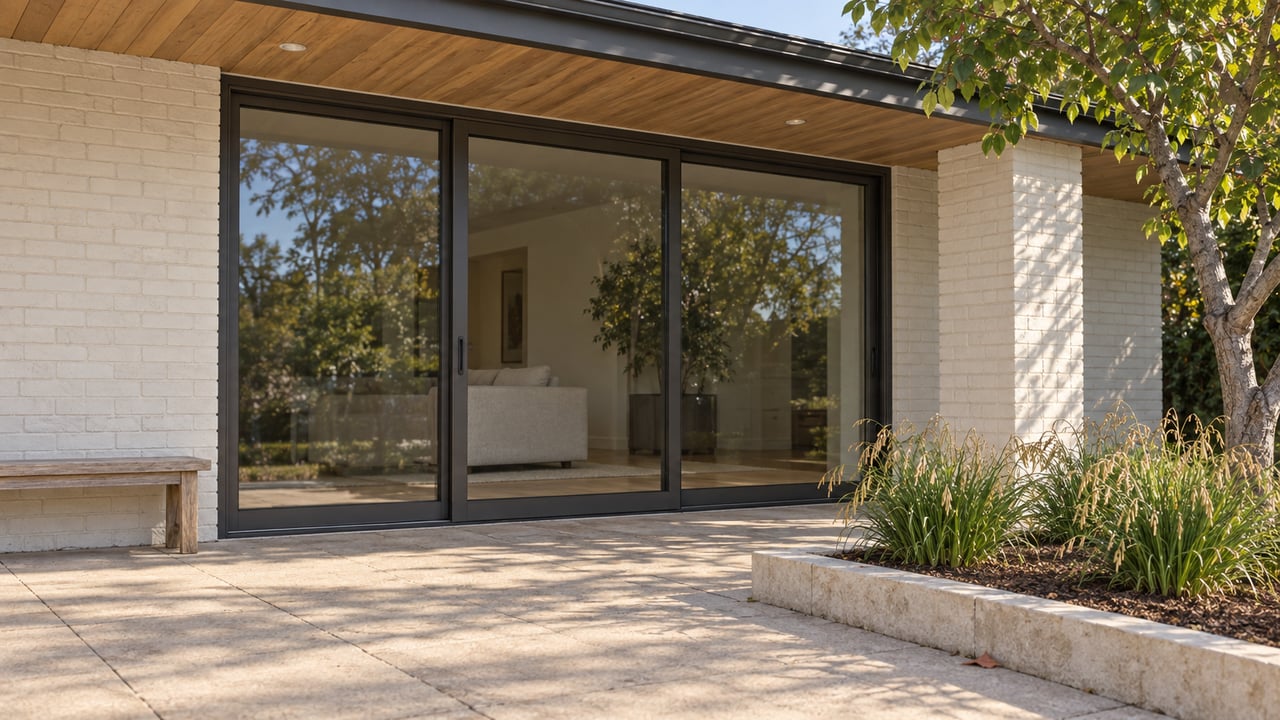
- Higher ceilings, new systems, and modern window packages that feel bright and quiet.
Tradeoffs
- Higher purchase prices, often including a lot premium.
- Longer wait if you build or customize, or stronger competition for move‑in‑ready homes.
- Reduced backyard area compared with original ranches, plus a higher chance of tree removal during construction.
Lot, trees, and site realities
Setbacks and size
Most parcels in Midway Hollow are single‑family lots with setback and side‑yard rules that shape what you can build. Lot coverage, block‑face front setbacks, and side yards all affect how much house and yard you end up with. For specific requirements, check the City of Dallas residential guidance and permit resources on the Dallas residential permits page before you commit to plans.
Tree canopy considerations
Mature oak and pecan trees are a defining feature in many streets here. Teardowns sometimes remove established canopy, which changes shade, privacy, and street character. If outdoor living and shade matter to you, review the site plan and tree strategy closely. For a sense of how neighbors talk about canopy and streetscape changes, explore the local perspective on Walk Midway Hollow.
Energy and operating costs
New homes that follow higher‑performance programs, such as ENERGY STAR NextGen, are designed with tighter envelopes and efficient systems that can lower utility bills. ENERGY STAR’s guidance notes these homes can be roughly 20 percent more efficient than typical code‑level construction. Ask for the home’s HERS rating, insulation specs, and HVAC details. You can learn more about program goals on the ENERGY STAR NextGen page.
In an original ranch, the best value often comes from simple weatherization. Air sealing and insulation upgrades, a right‑sized high‑efficiency HVAC, and targeted window replacements can produce meaningful, low double‑digit percentage savings in many older homes. Consider an energy audit so you can price the improvements into your decision.
Permits, timelines, and financing
Timelines to plan for
Dallas requires permits for new single‑family construction and most structural remodels. The city publishes checklists and has offered expedited review options for defined project types, which may shorten pre‑construction steps for compliant plans. Still, a full teardown‑to‑keys timeline often spans many months, while a light‑update ranch purchase can close in 30 to 60 days. Review requirements and checklists on the City of Dallas residential permits page before you set a schedule.
Financing options to compare
- Buy‑and‑renovate loans let you finance the purchase and improvements in one mortgage. FHA 203(k) offers streamlined and standard paths with consultant oversight for major work. See the official overview on HUD’s 203(k) page.
- Fannie Mae HomeStyle Renovation is another flexible option that covers a wide range of improvements. Review consumer guidance on Fannie Mae’s HomeStyle Renovation page.
- Construction‑to‑permanent or one‑time‑close construction loans are common for ground‑up builds. Talk to a lender early about documentation, draws, and rate locks so you can compare these to a standard mortgage timeline.
Safety, materials, and inspections
If a home predates 1978, plan for possible lead‑based paint or asbestos in older materials. Federal rules require certified lead‑safe practices for renovation work in pre‑1978 housing. Build time and budget for testing and for an EPA‑certified contractor if remediation is needed. You can confirm requirements on the EPA Renovation, Repair and Painting page.
On older ranches, add a crawlspace and foundation inspection to your scope, document HVAC and roof ages, and ask for the home’s permit history. On a new build, request a full spec sheet including insulation R‑values, HVAC SEER ratings, window U‑factors, and any blower‑door or HERS testing that verifies energy performance.
Taxes and resale basics
In Texas, taxable property is appraised as of January 1 each year. New improvements that are complete by that date will be counted in the appraised value, which can raise your property taxes. If you tear down and rebuild, expect a different tax picture once the improvement is on the roll. You can read the timing rule in the Texas Property Tax Code. Homestead rules and caps may also apply after you establish a primary residence.
For resale planning, align your improvement scope with local Cost vs. Value data so you understand likely payback. As noted above, smaller projects often recoup more than major additions in the Dallas table. You can reference the current numbers in the Dallas Cost vs. Value report.
Quick decision guide
- If you prefer single‑level living and a yard: Focus on updated or well‑maintained original ranches. Budget for mechanical upgrades and energy improvements, and plan a thorough inspection.
- If you want modern finishes, more bedrooms, and space: Expect to pay a premium for new construction. Confirm build specs and ask about energy testing and warranty coverage.
- Ask every seller or builder for: permit history, HVAC age and service records, foundation or flood history, and any lead or asbestos test results for pre‑1978 homes. For renovations in older homes, work with EPA RRP‑certified contractors.
- Financing snapshot: For buy‑and‑renovate, compare FHA 203(k) and Fannie Mae HomeStyle. For ground‑up, compare construction‑to‑perm options against buying a finished new build.
- Property tax heads‑up: A teardown plus new build typically raises taxable value once the improvement is complete. Check parcel‑level details with DCAD and plan for changes after homestead filing.
Your next step
Choosing between a Midway Hollow new build and an original ranch comes down to how you want to live, what you want to spend now versus later, and how much time you have for projects. If you want help pressure‑testing your options, comparing recent comps, and mapping a smart renovation or build plan, reach out to Dustin Merritt for a calm, data‑driven consult.
FAQs
What and where is Midway Hollow?
- Midway Hollow is a northwest Dallas neighborhood north of Love Field, often described within Walnut Hill Lane, Northwest Highway, Midway Road, and Marsh Lane; see the Midway Hollow overview for context.
Are original ranches cheaper than new builds in Midway Hollow today?
- In recent summaries, neighborhood medians hover near the high‑$900s while many new builds list from roughly $1.3M to more than $2M, reflecting size, finishes, and lot premiums.
Can I add a second story to a Midway Hollow ranch?
- It can be done, but cost and feasibility depend on structure, foundation, and zoning; confirm setbacks and lot coverage with the City of Dallas and price engineering before you commit.
How will a new build affect my Dallas property taxes?
- Texas appraises property as of January 1 each year; once your new improvement is complete, taxable value typically rises, as outlined in the Texas Property Tax Code.
Which loan works best to buy and renovate in Midway Hollow?
- Compare FHA 203(k) and Fannie Mae HomeStyle Renovation for one‑loan purchase plus rehab solutions using the HUD 203(k) overview and Fannie Mae’s consumer page.
What inspections should I prioritize on a 1950s ranch?
- In addition to standard inspections, add a crawlspace and foundation review, verify electrical capacity and HVAC age, and plan for testing of lead or asbestos with EPA RRP protocols if you will renovate.
Are new builds meaningfully more energy efficient?
- Many are, especially homes built to higher‑performance programs like ENERGY STAR NextGen, which target about 20 percent better efficiency than typical code‑level builds per ENERGY STAR guidance.