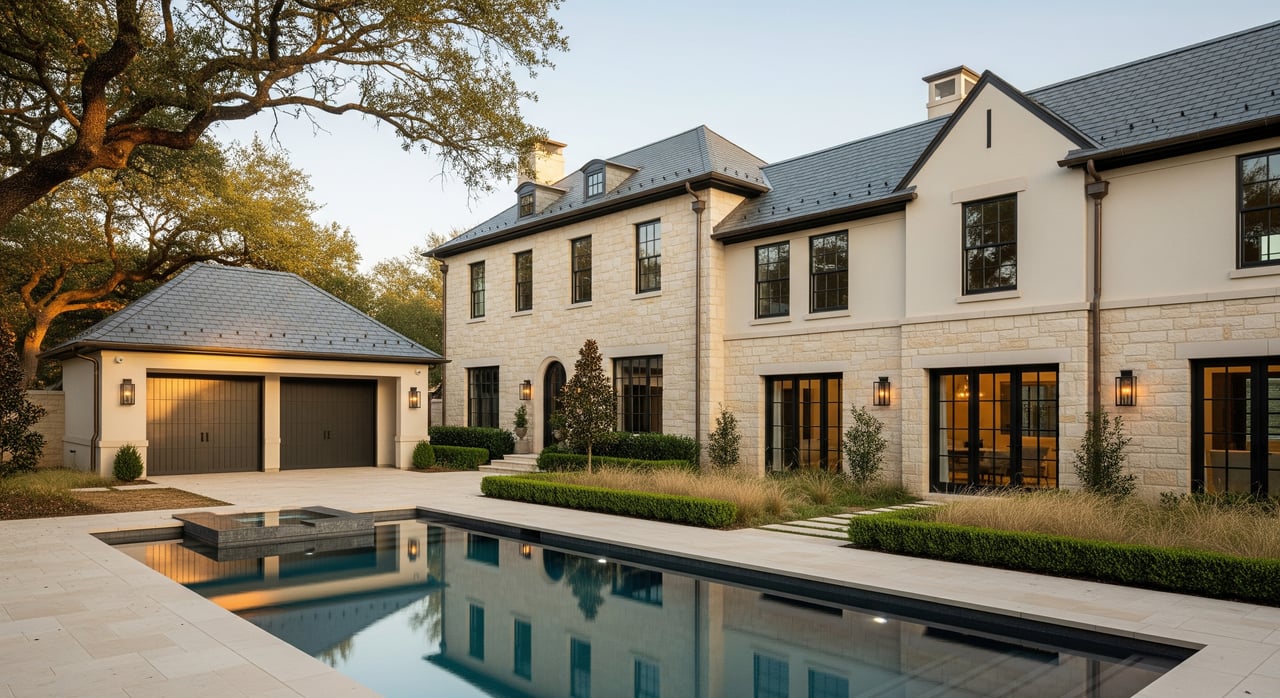
Thinking about adding a room, building a detached garage, or installing a pool in Schreiber Manor? Projects like these can boost function and resale, but they also come with permits, inspections, and a few non‑negotiable safety rules. If you plan ahead, you can avoid delays and costly rework. This guide walks you through what applies in Farmers Branch, how to prepare, and the common pitfalls to avoid. Let’s dive in.
Who issues permits and why it matters
Projects in Schreiber Manor fall under the City of Farmers Branch. The city handles building, electrical, plumbing, mechanical, and pool permits, along with plan review and inspections. City planning also enforces setbacks, easements, and zoning.
State and regional rules may apply too. Texas sets minimum pool safety standards, and floodplain rules can trigger extra steps. When in doubt, confirm with Farmers Branch Development Services. You can also review city planning records that reference accessory building approvals and thresholds in past cases in the Farmers Branch public records.
Additions: what to expect
Any structural addition, such as a room expansion, enclosed patio, or bump‑out, typically requires a building permit and trade permits for electrical, plumbing, and HVAC. Plan review checks code compliance before you build.
Be ready to submit a scaled site plan or survey, architectural drawings, and trade details. Plan review timelines vary by scope and workload, so build in buffer time. For a sense of the standard permitting flow in the Dallas area, see the City of Dallas Building Inspection overview.
Setbacks and lot coverage
Additions must meet your lot’s zoning setbacks and avoid utility easements. If your design encroaches or goes beyond what zoning allows, you may need a variance or other planning approval. Farmers Branch has considered accessory structures on a case‑by‑case basis, as reflected in city public records.
Detached garages and accessory buildings
Small accessory structures sometimes qualify for lighter review, but size and utilities change the rules. Farmers Branch records show detached accessory buildings larger than about 120 square feet have triggered Special Use Permit or similar reviews in past cases. Confirm the current threshold with Development Services using the public records reference.
- If the structure includes electrical or plumbing, trade permits are required.
- You still must meet setbacks, avoid easements, and respect lot coverage limits.
- Oversized or out‑of‑bounds structures may require a variance or a specific planning approval.
Pools: permits and safety rules
Backyard pools require careful planning and multiple inspections. Expect to submit a current survey showing the pool location, distances to property lines and structures, the equipment pad, and your barrier or fence plan. Regional practice also includes staged inspections for steel, bonding, decking, and a final barrier check. For a clear example of typical submittals and inspections, see this municipal pool permitting guide.
State barrier requirements
Texas Health and Safety Code Chapter 757 sets minimum pool yard enclosure rules. The enclosure must be at least 48 inches high when measured from the outside and must not allow a 4‑inch sphere to pass through openings. Gates must be self‑closing and self‑latching with specific latch and swing requirements. Review the statutory details in the Texas pool yard enclosure code.
If your pool serves more than a single‑family home, such as a community or shared facility, additional state public pool rules may apply through the Texas Department of State Health Services. For private backyard pools, the city permit and state barrier standards are the main items.
Floodplain, drainage, and easements
Before finalizing a layout, check whether your lot is near a mapped floodplain or regulated corridor. Projects in these areas can require extra steps, engineered plans, or corridor approvals. You can start by reviewing FEMA’s mapping resources for Dallas County on the FEMA flood map site. If a project is near the Trinity River corridor, your designer may need to coordinate with the NCTCOG Corridor Development Certificate program.
Also review your recorded plat for utility easements. Pools and structures generally cannot encroach easements, and digging near utilities can trigger clearance requirements.
HOA and deed restrictions
HOA coverage varies in Schreiber Manor. Some homes show no association, while others may be subject to recorded covenants or design rules. Always review your deed, plat, and any CC&Rs before you design.
If your property is in an HOA, plan for ARC approval timelines. Texas law also protects your right to install a safety‑compliant pool enclosure. Under SB 1588, a property owners’ association cannot prohibit a pool fence that meets state or local safety requirements. You can read the enacted bill text on SB 1588.
A simple permitting game plan
Use this quick path to reduce surprises and stay on schedule:
- Start with a zoning and records check
- Confirm setbacks, lot coverage, and easements with Farmers Branch Development Services. The city’s public records provide useful context on accessory structures and past approvals.
- Pull your deed, plat, and any CC&Rs. Determine HOA approval needs early.
- Prepare solid drawings
- Use a current survey. Show all dimensions, equipment locations, and proposed fences or enclosures.
- Include trade details for electrical, plumbing, and gas.
- Apply and respond to comments
- Submit through the city’s permit process and pay fees.
- Address plan review comments quickly to keep your timeline on track.
- Build with inspections in mind
- Schedule required inspections at footing, framing, rough trades, and finals for additions.
- For pools, expect staged inspections and a final barrier inspection before filling. See typical steps in this regional pool permitting example.
- Do not start structural work before the permit, and do not fill a new pool until final approval.
Before you buy or sell in Schreiber Manor
If you are buying, ask for past permit numbers and final inspection sign‑offs for any additions or pools. Gaps can signal future compliance costs. If you are selling, gather your permits and plans now, and verify pool barriers meet current code.
Also check floodplain status and any recorded easements before marketing a property that advertises space for a pool or future garage. Buyers will ask, and a confident answer can strengthen your position.
Ready to plan your project or prep your home for market? If you want a practical read on ROI, design choices, and the steps that keep a project compliant in Farmers Branch, reach out to Dustin Merritt. We pair renovation insight with neighborhood‑level guidance so you can move forward with confidence.
FAQs
Do I need a permit for a room addition in Schreiber Manor?
- Yes, structural additions in Farmers Branch require a building permit, and trade permits for electrical, plumbing, and HVAC are typically needed.
Are small sheds or detached garages exempt in Farmers Branch?
- Some small structures face lighter review, but city records show buildings over about 120 square feet have triggered special approvals before, and any utilities require trade permits.
What are the minimum pool fence rules in Texas?
- Texas law requires a pool yard enclosure at least 48 inches high with openings too small for a 4‑inch sphere to pass through, plus self‑closing, self‑latching gates.
Can an HOA stop my pool fence in Schreiber Manor?
- If your home is in an HOA, design approval may be required, but SB 1588 limits a POA’s ability to prohibit a pool fence that meets state or local safety rules.
How do I know if floodplain rules affect my project?
- Check FEMA’s flood maps for Dallas County and ask the city whether your lot is in a regulated area that needs extra engineering or corridor approvals.