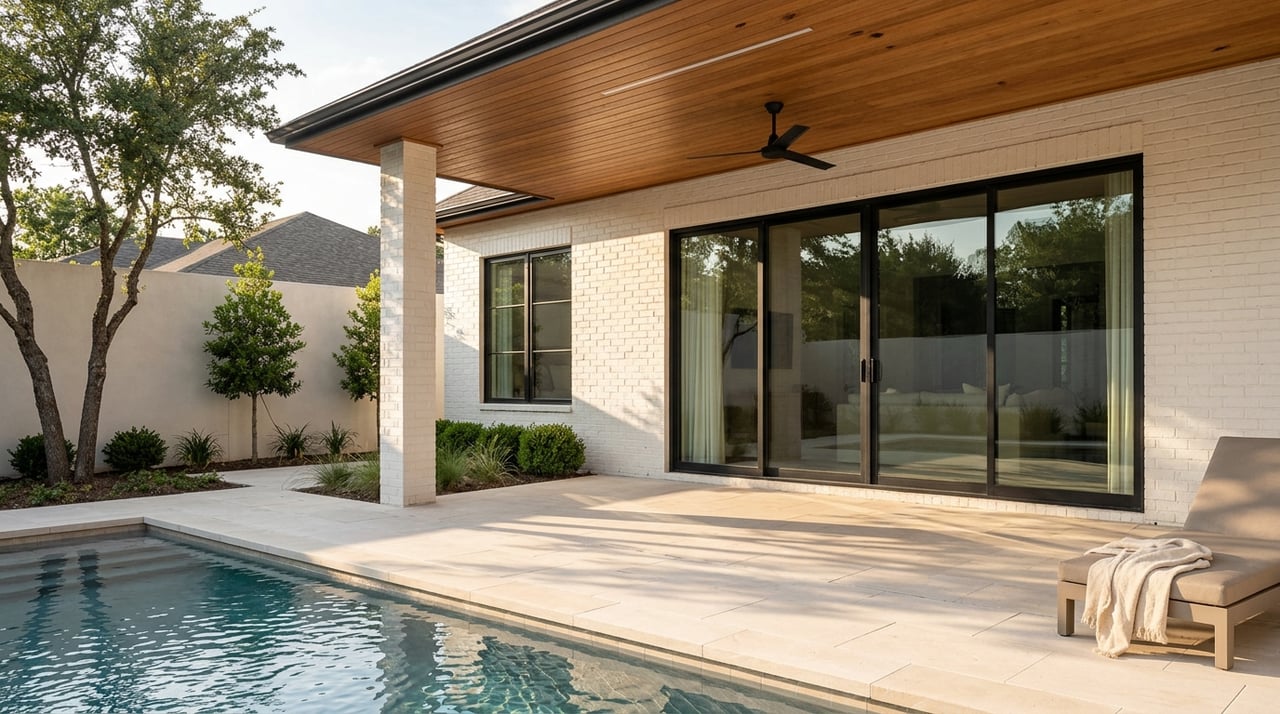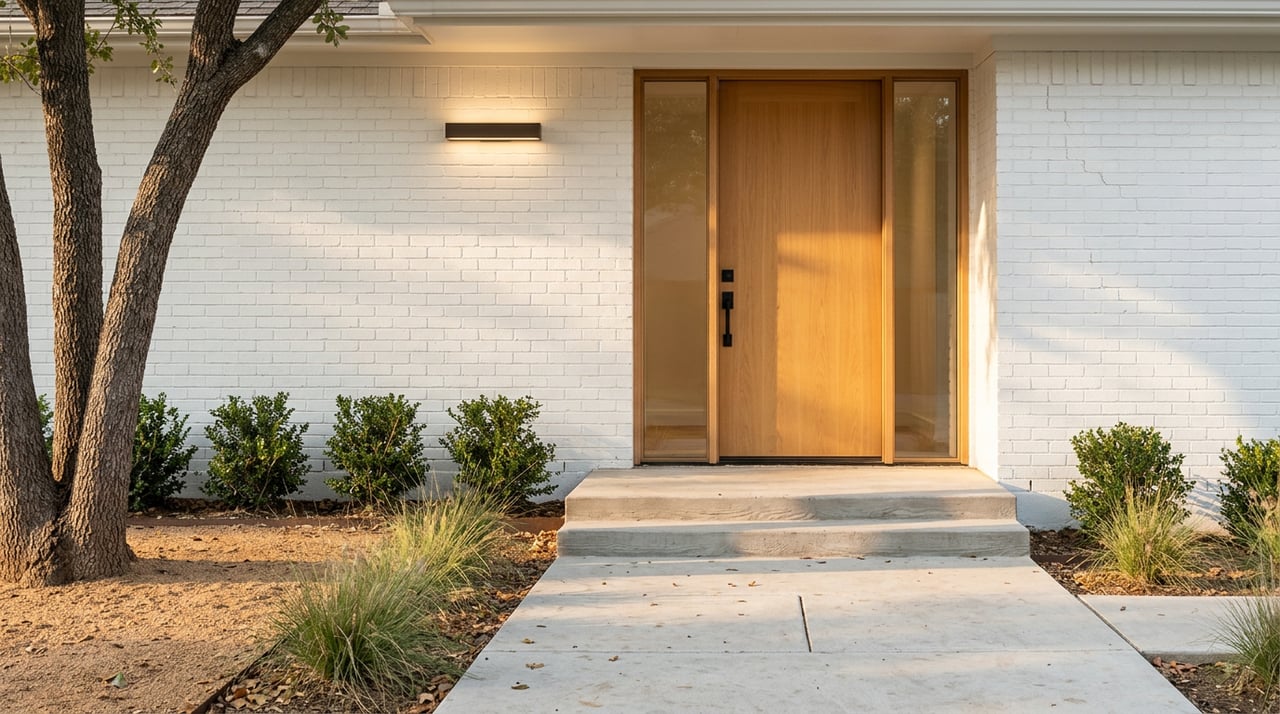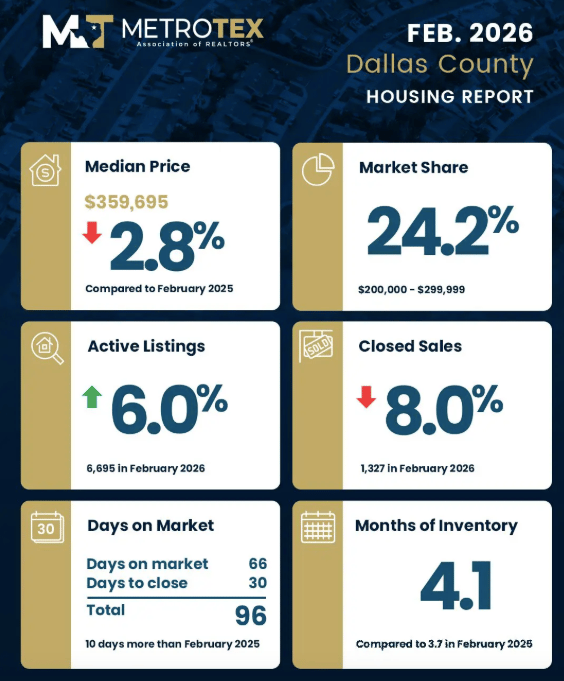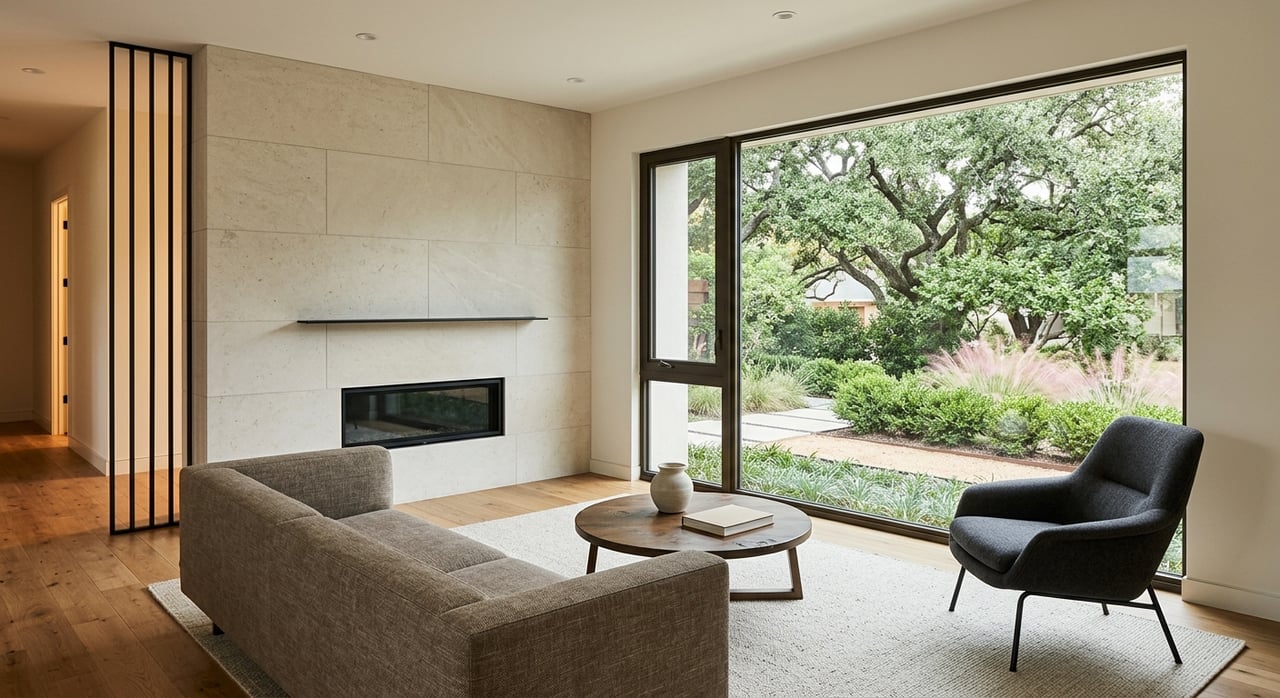
If you are thinking about selling in the L Streets, one question matters more than almost anything else: where should you price your home right now? In a shifting market, that answer is not as simple as pulling the highest recent sale or copying a nearby listing. You need a strategy that reflects today’s buyer behavior, the realities of this micro-market, and the details that make your home stand out. Let’s dive in.
Why L Streets Pricing Is Different
The L Streets is not just a broad Dallas label. It is a defined neighborhood area shown on the City of Dallas neighborhood organization map, with boundaries around Walnut Hill Lane, Northwest Highway, Plano Road, and Ferndale Road, and 1,042 properties in the association.
That matters because buyers do not shop all of Dallas the same way. They compare homes block by block, street by street, and often by style, lot, condition, and update level. In a neighborhood this specific, micro-location can change value in a meaningful way.
Recent snapshots show how easy it is to misread the market if you rely on one number alone. Realtor.com’s March 2026 L Streets overview reported a median listing price of $575,000, $364 per square foot, six active listings, and 39 median days on market. Redfin’s December 2025 L Streets sales page showed a median sale price of $615,000, $329 per square foot, and 15 median days on market.
Those numbers are not contradictory. They reflect different data windows and different types of market activity, with one based on listings and the other based on closed sales. The takeaway is that the L Streets sits in a fairly tight but still changing price band, so your pricing needs to be grounded in the most relevant comps, not a headline median.
What the Dallas Market Means for Sellers
Even if your home is in a strong neighborhood, it still competes inside the larger Dallas market. Right now, that broader backdrop points to a slower and more negotiable environment than many sellers remember from the hottest years.
According to Redfin’s Dallas housing market data, Dallas is somewhat competitive, with homes receiving about one offer on average, a February 2026 median sale price of $410,000, 75 median days on market, 24.7% of homes experiencing price drops, and a 96.9% sale-to-list ratio. Redfin also notes that average homes sell about 3% below list price and go pending in around 58 days, while hotter homes can still go pending faster and closer to list price.
That tells you something important. Buyers still move for the right home, but they are more price-aware, more selective, and more willing to wait if a listing feels stretched.
The same trend shows up in the Texas Real Estate Research Center’s March 2026 housing insight, which reported rising seller activity, elevated inventory, and persistent pricing pressure across the market. The report also noted that price softening in DFW had continued through January for the 11th straight month year over year.
In practical terms, that means your list price has to make sense now. It cannot be based on last spring’s peak or on the most ambitious number in the neighborhood.
Why the Highest Comp Is Not Always the Best Comp
It is tempting to anchor to the highest recent sale and call that your target. In the L Streets, that can be risky.
Recent sales shown on Redfin ranged from $410,000 for 10623 Mccree Rd to $1.665 million for 9124 Longmont Dr, with days on market ranging from 28 to 136 on the examples displayed. Several closings clustered in the roughly $500,000 to $675,000 range, but the overall spread is wide.
That range tells you the obvious but important truth: not all L Streets homes compete in the same segment. A larger home, a different lot, stronger updates, or a more refined presentation can move the value needle substantially. Pricing your home off the highest comp without matching its features can push your listing into the danger zone where buyers hesitate, showings slow down, and price reductions become more likely.
How Smart Pricing Usually Works
A strong pricing strategy usually starts with the most relevant closed sales inside the L Streets itself. From there, the comparison should adjust for details like:
- Square footage
- Bedroom and bathroom count
- Lot size
- Condition
- Level of updates
- Overall presentation
Only after that should you widen the search to nearby Lake Highlands or broader Dallas comparables, and even then, the adjustments need to be clear. That approach matters even more here because listing volume and sale volume can be thin.
Redfin’s L Streets page showed just five December 2025 sales, while Realtor.com’s March 2026 snapshot showed only six active listings. In a market with that little volume, one unusually updated home or one unusually large home can skew the averages fast.
This is one reason hyperlocal pricing matters so much in East Dallas micro-markets. You want a price built from the right evidence, not a broad average that misses what buyers are actually comparing.
Street-Level Differences Matter Here
If you have followed the area for any length of time, you already know buyers do not treat every nearby option the same. That is backed up by the numbers.
Realtor.com’s nearby area medians show $424,500 in Highland Meadows, $615,000 in North Lake Highlands Estates, and $1.427 million in Lakeside Highlands. Those are big differences across nearby Dallas subareas.
That does not mean one area is better than another. It means the market responds differently to location, housing stock, lot characteristics, and buyer expectations. For your home, the implication is simple: a small change in street, lot, size, or finish level can materially affect value, so your pricing should reflect the home buyers will actually compare you against.
Condition Can Protect Your Price
In a softer market, condition matters even more. Buyers watching their monthly payments closely often want fewer projects after closing, which makes visible repairs and presentation more important.
The National Association of REALTORS® 2025 Remodeling Impact Report found that 46% of REALTORS® said buyers are less willing to compromise on condition. The same report noted increased demand for kitchen upgrades, new roofing, and bathroom renovations.
That does not mean you need a major remodel before you sell. In fact, the smarter path is often more targeted.
NAR’s research points to practical pre-listing improvements like:
- Cleaning thoroughly
- Decluttering
- Improving curb appeal
- Painting key areas
- Fixing visible defects
These are the kinds of updates that help buyers feel confident without over-improving for the market. If your home has strong bones and a great layout, thoughtful prep can help support pricing better than chasing an expensive renovation with uncertain return.
Staging and Presentation Still Matter
Presentation is not fluff in a shifting market. It can influence both perceived value and time on market.
According to the NAR 2025 staging findings, 29% of agents said staging increased the dollar value offered by 1% to 10%, and 49% said staging reduced time on market. That lines up with what many sellers feel in real time: buyers respond faster when a home feels polished, cared for, and easy to imagine living in.
For many L Streets homes, this does not require a full redesign. Often, it is about editing the space, improving flow, lightening visual clutter, and highlighting the features buyers already love.
Mortgage Rates Affect Buyer Sensitivity
Pricing is not only about your home. It is also about what buyers can afford month to month.
Freddie Mac’s Primary Mortgage Market Survey showed a 30-year fixed mortgage rate of 6.37% as of April 9, 2026. Freddie Mac also notes that even small rate changes can make a meaningful difference in monthly payments over the life of a loan.
That is one reason buyers can feel more cautious in a shifting market. When rates move, purchasing power moves with them. A price point that felt comfortable a few months ago may narrow your buyer pool more than expected today.
This is another reason strategic pricing matters. You are not just trying to attract interest. You are trying to stay inside the range where enough qualified buyers still feel confident enough to act.
Signs Your Price May Be Too High
A home that is priced too high does not always fail immediately. Sometimes it simply loses momentum.
Watch for signs like:
- Strong online views but limited showing activity
- Showings with little follow-up interest
- Repeated buyer comments about price
- Competing homes going pending first
- Pressure to make a price reduction after sitting
In Dallas, where nearly a quarter of homes have price drops according to Redfin’s market data, overpricing can cost you time and leverage. The first stretch of market exposure is usually the most important, so it is often better to launch with a price that invites serious attention than to chase the market downward later.
A Better Way to Think About Pricing
Instead of asking, “What is the highest number I could list at?” a better question is, “What price gives my home the best chance to attract the right buyers quickly and negotiate from strength?”
That shift matters. In the L Streets, where inventory is limited but buyer expectations are sharp, the best outcomes often come from combining accurate comp selection, realistic adjustments, smart prep, and polished presentation.
If you are preparing to sell, a neighborhood-specific pricing conversation can help you separate noise from signal. That includes looking at the most relevant sold data, reviewing current competition, and identifying which updates or presentation choices are worth doing before you go live.
If you want clear, hyperlocal guidance on pricing and prep for your L Streets home, Dustin Merritt can help you build a strategy that fits today’s market and your home’s specific value.
FAQs
How should you price a home in the L Streets neighborhood of Dallas?
- Start with the most relevant recent closed sales in the L Streets, then adjust for size, lot, condition, updates, and presentation instead of relying on one neighborhood median.
Why does micro-location matter when pricing a home in the L Streets?
- The L Streets is a defined micro-market, and small differences in street, lot, home size, and finish level can materially affect value and buyer demand.
Should you list your L Streets home at the highest recent comp?
- Not always, because the highest recent sale may reflect a different size, condition, or update level, and Dallas buyers are more price-sensitive in the current market.
What home improvements help support list price in a shifting Dallas market?
- Low-cost, high-impact items like cleaning, decluttering, paint, curb appeal, and fixing visible issues are often more effective than taking on a major remodel before selling.
How do mortgage rates affect pricing for L Streets homes?
- Mortgage rates affect buyer purchasing power, and when rates rise or stay elevated, buyers may become more selective about what they are willing to pay.
What are the warning signs that your Dallas home is overpriced?
- Common signs include low showing activity, weak buyer feedback, strong online interest without offers, and competing listings going pending while your home sits.