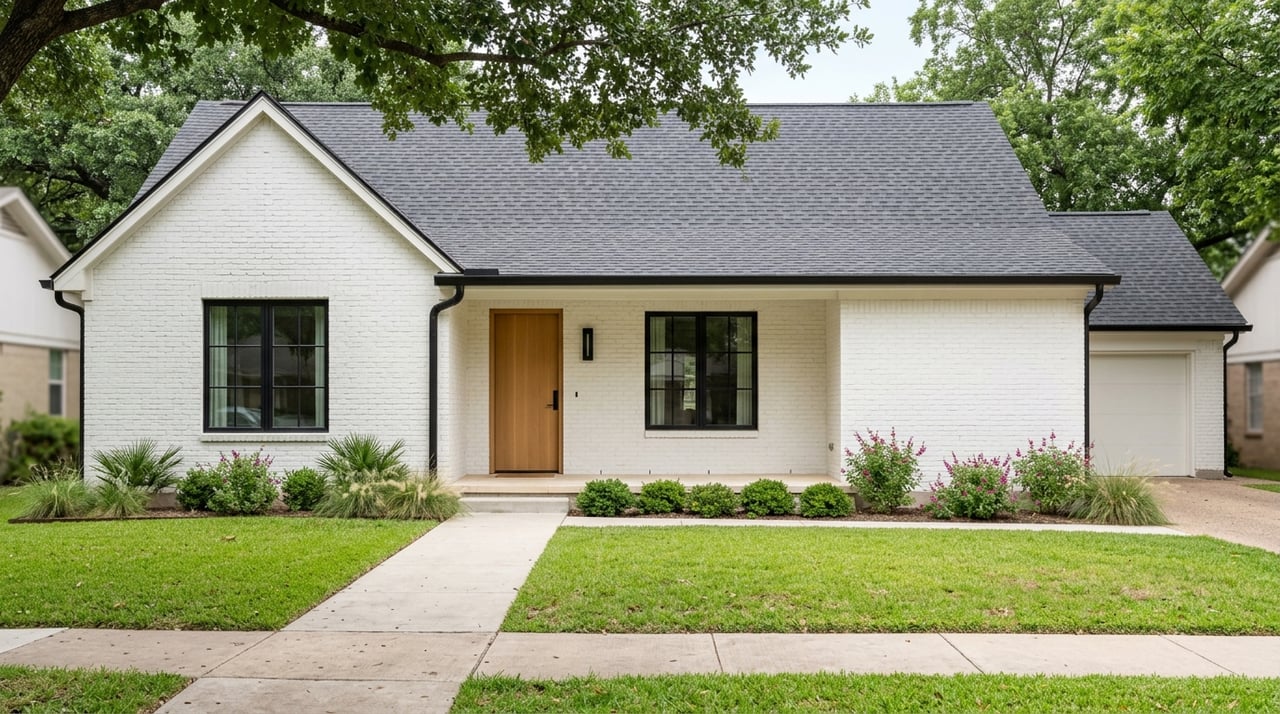
Looking for a Dallas neighborhood with real architectural personality can feel harder than it should. Many areas offer convenience, but fewer give you that mix of historic character, daily livability, and genuine design interest. If Lakewood is on your radar, this guide will help you understand what makes it stand out, what to watch for as you tour, and how to evaluate homes with both lifestyle and long-term value in mind. Let’s dive in.
Why Lakewood Stands Out
Lakewood sits in East Dallas around White Rock Lake, a 1,015-acre city lake about five miles northeast of downtown. That setting gives you a rare mix of urban access and outdoor space, with White Rock Lake Park offering a roughly 9.33- to 9.4-mile loop trail, bird-watching, boat ramps, picnic areas, a dog park, and kayak access.
For design-minded buyers, the appeal goes beyond the lake. Lakewood combines historic streets, recognizable architecture, and a compact retail and dining core that feels established rather than generic. You also get access to cultural anchors like the Lakewood Theater, the Bath House Cultural Center, and the Dallas Arboretum, which adds to the neighborhood’s strong sense of place.
Lakewood Architecture Has Range
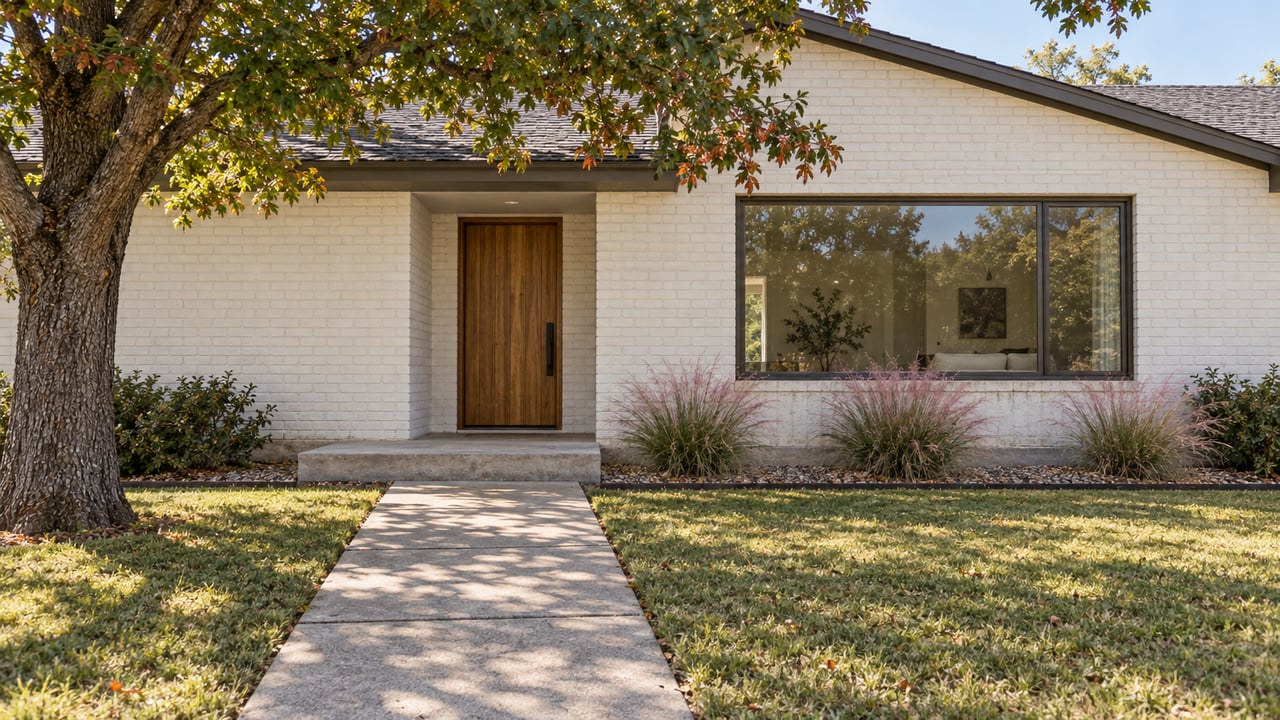
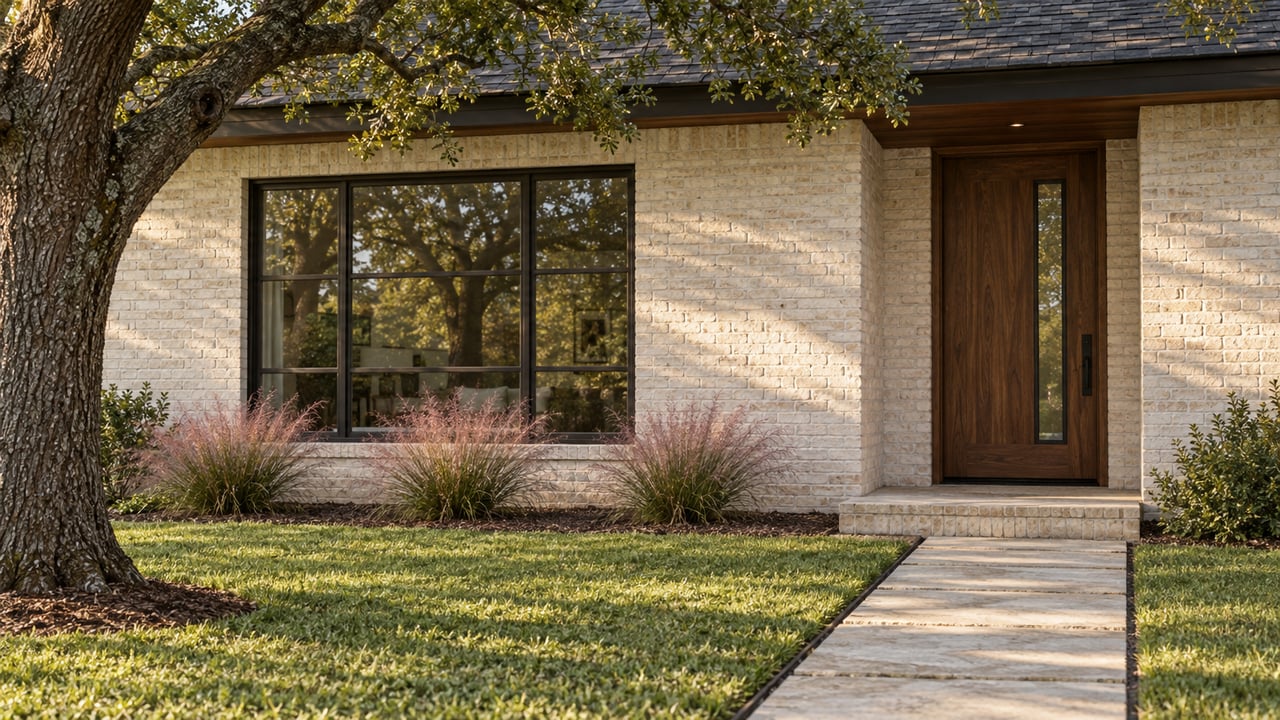
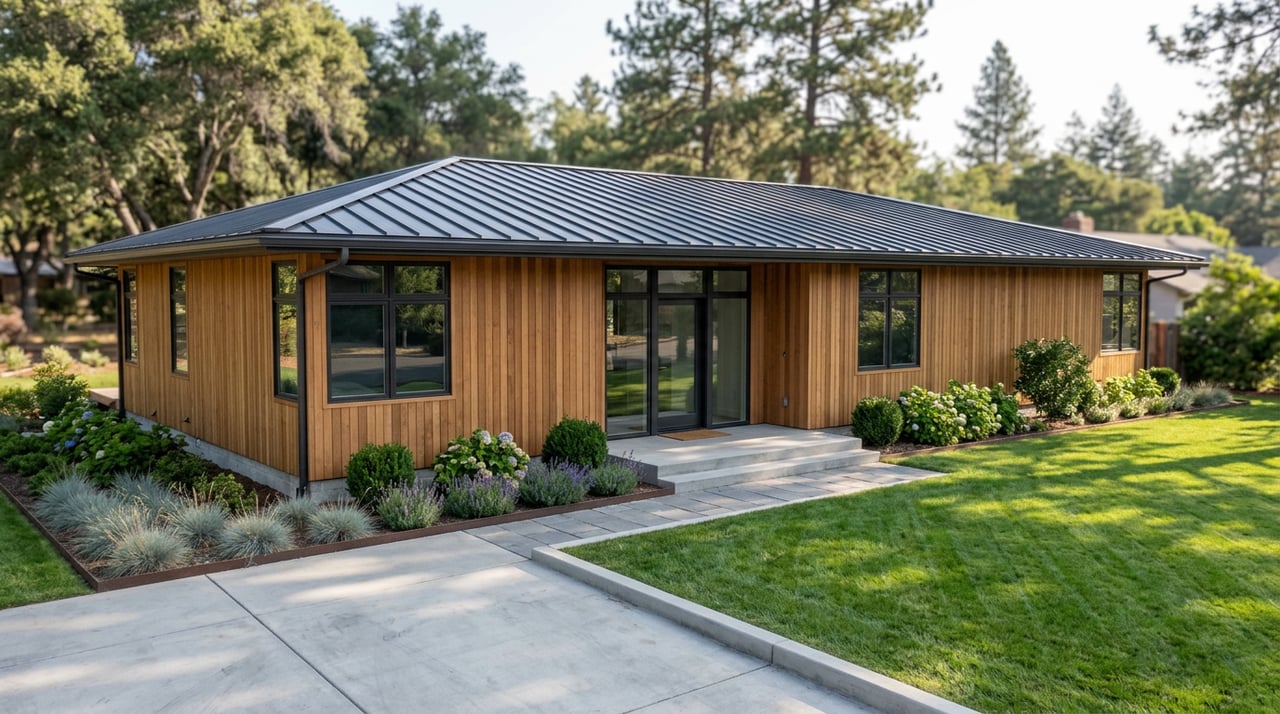
One of the biggest misconceptions about Lakewood is that it has a single look. In reality, the neighborhood includes a wide mix of styles shaped by early development and decades of change. That variety is a major reason buyers who care about design often keep coming back to this area.
Dallas landmark and planning materials point to early work by architect-builder C.D. Hutsell, whose Lakewood homes from the late 1920s through the 1930s included Prairie, Craftsman, Tudor, and Spanish Eclectic influences. City planning materials for the conservation district also identify Tudor, Spanish Eclectic, French Eclectic, Colonial Revival, and Neoclassical as contributing styles, while broader district discussions include Minimal Traditional, Ranch, Monterey, Mid-Century Modern, and Contemporary homes.
What that means for buyers
You are not shopping in a neighborhood where every block feels the same. One street may lean heavily historic, while another feels more mixed with updated homes, later infill, or larger renovations. That block-by-block variation matters when you are comparing value, curb appeal, and future renovation options.
If you are drawn to original details, Lakewood often delivers. City materials call out preserved features like porches, chimneys, stained or leaded glass, roof eaves, and original window and door openings. Those features can give a home real visual depth, but they also deserve a careful eye during your tour.
Home Size, Age, and Lot Character
Lakewood gives you more variation in home size and lot layout than many buyers expect. Homes.com reports a median year built of 1952, an average single-family home size of 2,920 square feet, and a median lot size of 9,147 square feet. That points to a neighborhood with mature housing stock, meaningful lot presence, and a wide spread of home types.
Lot dimensions can vary quite a bit. City planning examples show frontages ranging from roughly 32 to 110 feet, with some larger Tokalon lots reaching 18,610 square feet and even 43,560 square feet. In practical terms, that means two homes with similar square footage may live very differently depending on how the lot sits, how the house is placed, and how much usable outdoor space remains.
Why lot character matters
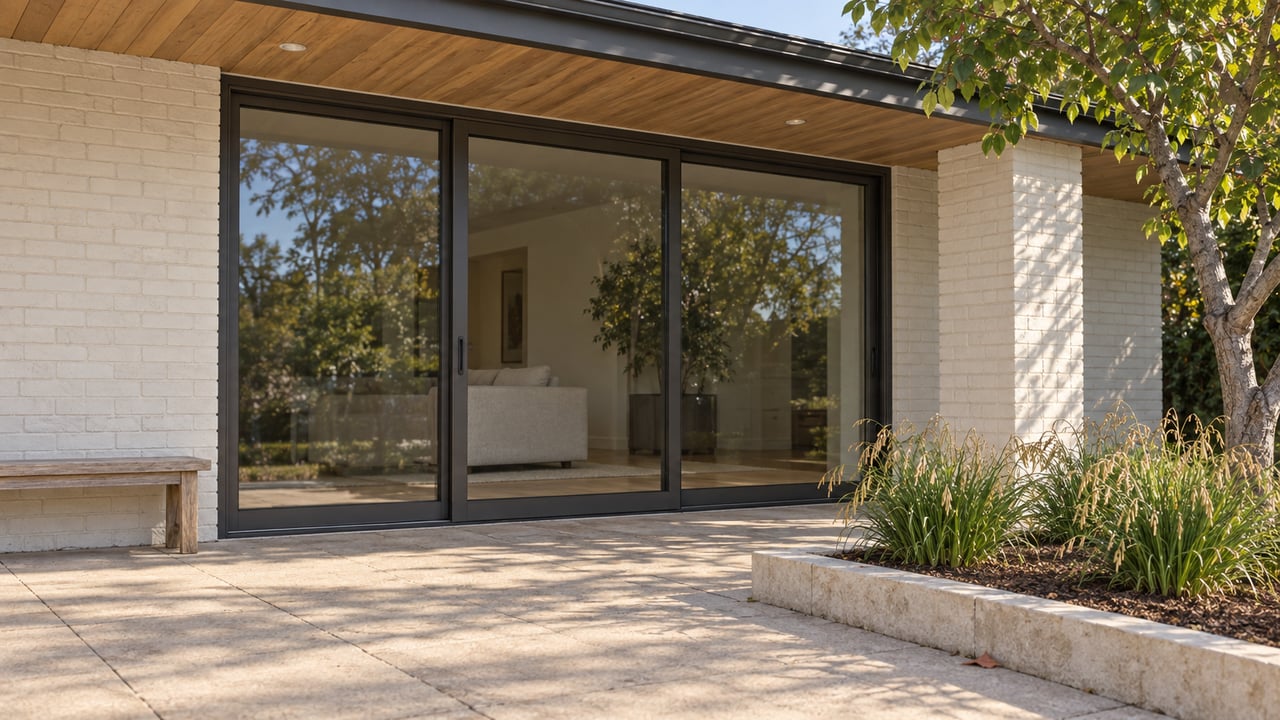
For a design-minded buyer, lot character is not just about size. It affects how a home presents from the street, where natural light enters, whether an addition feels seamless, and how well outdoor living can connect to the house. In Lakewood, the lot is often part of the design story.
A deeper or wider lot may create flexibility for a garage, pool, guest space, or expanded outdoor living area. On a smaller or more constrained site, preserving the original structure without overwhelming it becomes a more important part of the equation. That is one reason touring Lakewood with a builder’s eye can be so valuable.
What Prices Tell You
Lakewood pricing sits well above the broader Dallas market. Homes.com reports a Lakewood median sale price of $1,524,500 and a median list price of $1,695,000 over the last 12 months. Realtor.com shows a Lakewood median listing price of $1,799,500 and $485 per square foot, compared with a Dallas citywide median listing price of $435,000.
The broader 75214 ZIP code reads lower because it includes more than just Lakewood. Zillow reports an average 75214 home value of $842,049, a median sale price of $1,015,167, and a median of 12 days to pending. Redfin reports a median sale price of $970,511 and 26 median days on market, while Realtor.com reports a 75214 median listing price of $922,500.
How to read those numbers
The takeaway is simple: Lakewood behaves like a premium inner-Dallas market, and neighborhood-level numbers are often more useful than ZIP-code averages. If you rely too heavily on 75214 data alone, you may miss what is driving pricing inside the Lakewood pocket.
In this market, square footage is only part of the story. Finish level, lot position, renovation quality, and architectural integrity can all have an outsized effect on value. A beautifully updated home that respects the original character may compete very differently than a larger home with less thoughtful execution.
What to Expect on Tour
Touring Lakewood is different from touring a newer, more uniform neighborhood. The questions you ask need to go beyond surface finishes. A pretty kitchen matters, but so does the relationship between the original home and any later changes.
City materials show that buyers should verify whether a property is inside the Lakewood Conservation District or otherwise affected by review rules. Exterior work visible from the street can be regulated, and new construction on vacant or demolished lots may need to conform to a contributing style. Lot coverage, setbacks, height, floor-area ratio, and slope or drainage can also matter in district review.
Smart questions to ask
As you walk a property, pay close attention to a few design and planning basics:
- Does the home still retain important façade details?
- How does the house sit on the lot and grade?
- Is there realistic room for a garage, addition, or outdoor living area?
- Do newer updates feel integrated with the original architecture?
- Does the street read as historic, newly infilled, or mixed?
In Lakewood, those answers can change from one block to the next. That is part of the neighborhood’s charm, but it also means you need to compare homes with context, not just price per square foot.
Lifestyle Anchors Buyers Notice
Design-minded buyers are usually not just buying a house. You are also buying the rhythm of the neighborhood around it. In Lakewood, that rhythm is shaped by outdoor access, walkable pockets, and cultural landmarks that feel specific to the area.
Lakewood Shopping Center remains the neighborhood’s retail and dining core, with 64,913 square feet of retail and restaurant space. Reported tenants include Sweetgreen and Liberty Burger, and nearby business information places Fajita Pete’s in the center with The Pour House nearby.
The area’s cultural depth is also unusual for a primarily residential neighborhood. The Lakewood Theater, built in 1938, is known for its Art Deco features and 100-foot neon tower. The Bath House Cultural Center sits on the eastern shore of White Rock Lake and is free to enter, while the Dallas Arboretum offers 66 acres of display gardens on the lake.
Why this matters for home search decisions
These places shape how Lakewood feels day to day. You may be looking for a historic Tudor, a renovated ranch, or a more contemporary home, but the lifestyle value often comes from how easily you can connect to the lake, local dining, and nearby cultural spaces.
That is especially important if you want a neighborhood that feels visually rich and lived-in. In Lakewood, the setting around the home often reinforces the appeal of the home itself.
How to Buy Well in Lakewood
If you are shopping Lakewood with a design-first mindset, it helps to balance emotion with discipline. It is easy to fall for façade charm or a great room renovation, but the strongest purchase is usually the one that combines character, livability, and smart long-term potential.
A strong search strategy often includes these steps:
- Define your non-negotiables early, including style, lot needs, and renovation tolerance.
- Separate cosmetic updates from meaningful design quality.
- Compare homes by block and setting, not just by ZIP code.
- Review whether conservation district rules may affect future plans.
- Evaluate how the lot, grade, and existing structure support your long-term goals.
For many buyers, the biggest opportunity is finding a home with strong bones and authentic details in a location that supports both lifestyle and resale. In a neighborhood like Lakewood, thoughtful guidance can help you see the difference between a home that simply photographs well and one that truly holds value.
Whether you are looking for a move-in-ready home or a property with renovation upside, local context matters here. If you want help narrowing the right blocks, weighing design tradeoffs, or identifying homes with strong long-term potential, Dustin Merritt can help you search Lakewood with clarity and confidence.
FAQs
What makes Lakewood appealing for design-minded home buyers?
- Lakewood offers a mix of historic and later architectural styles, access to White Rock Lake, and a local retail and cultural core that gives the neighborhood a strong sense of identity.
What architectural styles can you find in Lakewood Dallas?
- Buyers may see Tudor, Spanish Eclectic, French Eclectic, Colonial Revival, Neoclassical, Minimal Traditional, Ranch, Monterey, Mid-Century Modern, and Contemporary homes depending on the block.
How expensive are homes in Lakewood compared with Dallas?
- Recent market snapshots place Lakewood well above Dallas overall, with neighborhood-level median listing and sale prices far higher than the citywide median listing price.
What should buyers check when touring homes in Lakewood?
- Buyers should look at original exterior details, lot layout, grade, renovation quality, and whether the property is in the Lakewood Conservation District, where some street-visible exterior work may be regulated.
Is all of ZIP code 75214 the same as Lakewood?
- No. The 75214 ZIP code includes areas beyond the Lakewood pocket, so ZIP-level pricing and market data should be treated as broader context rather than direct Lakewood comparables.