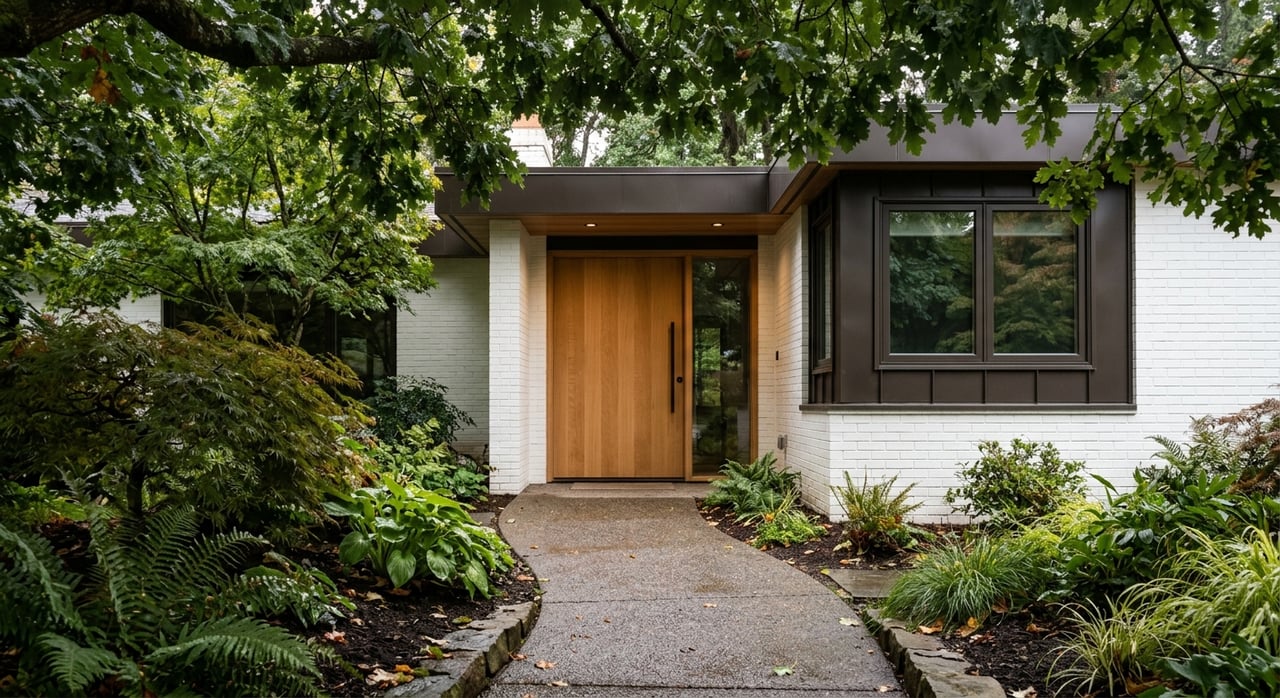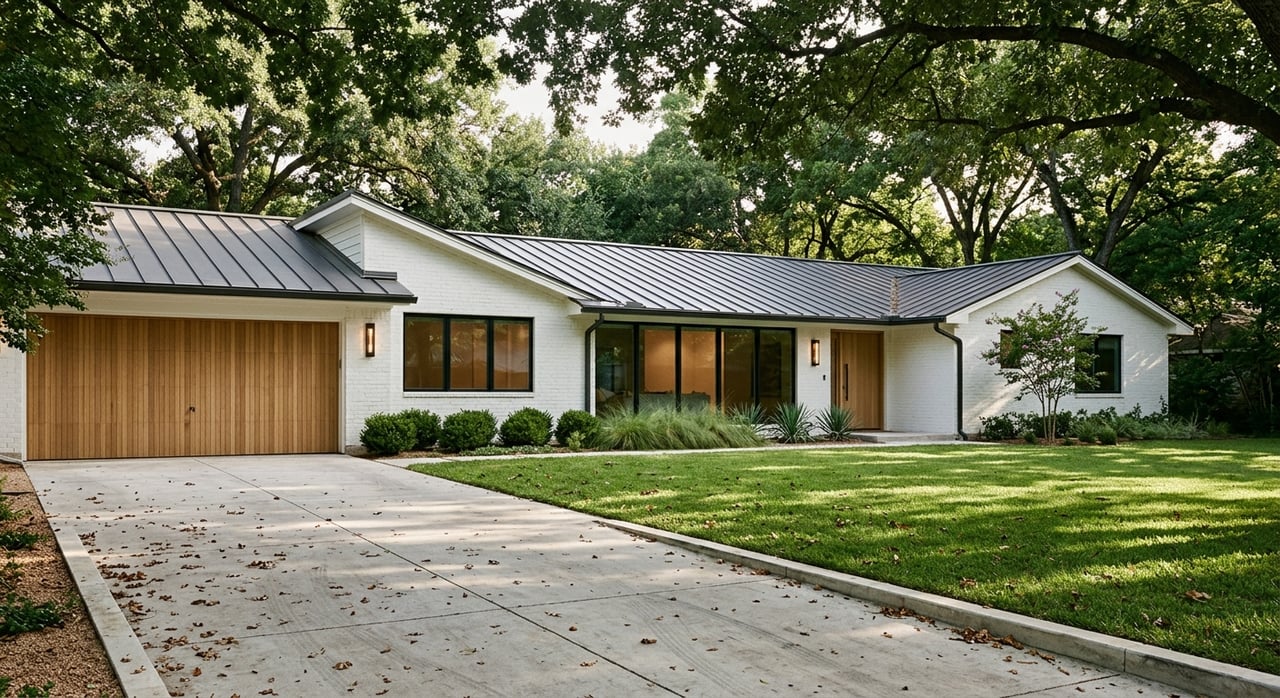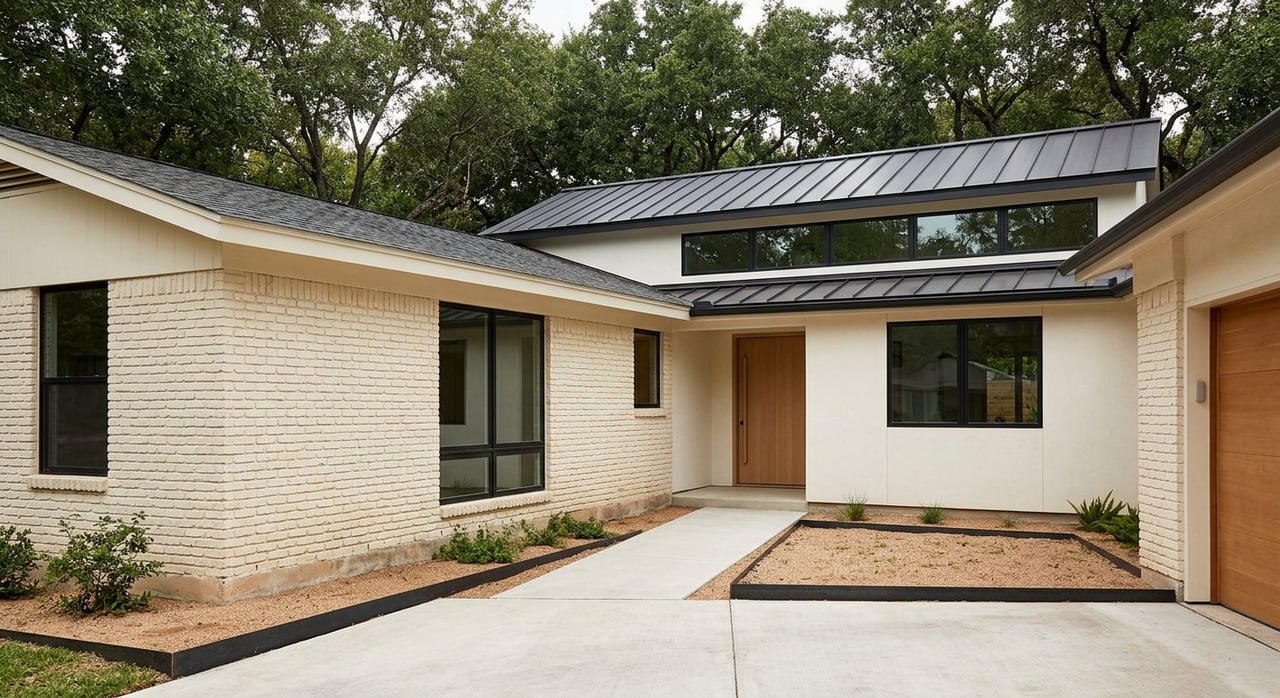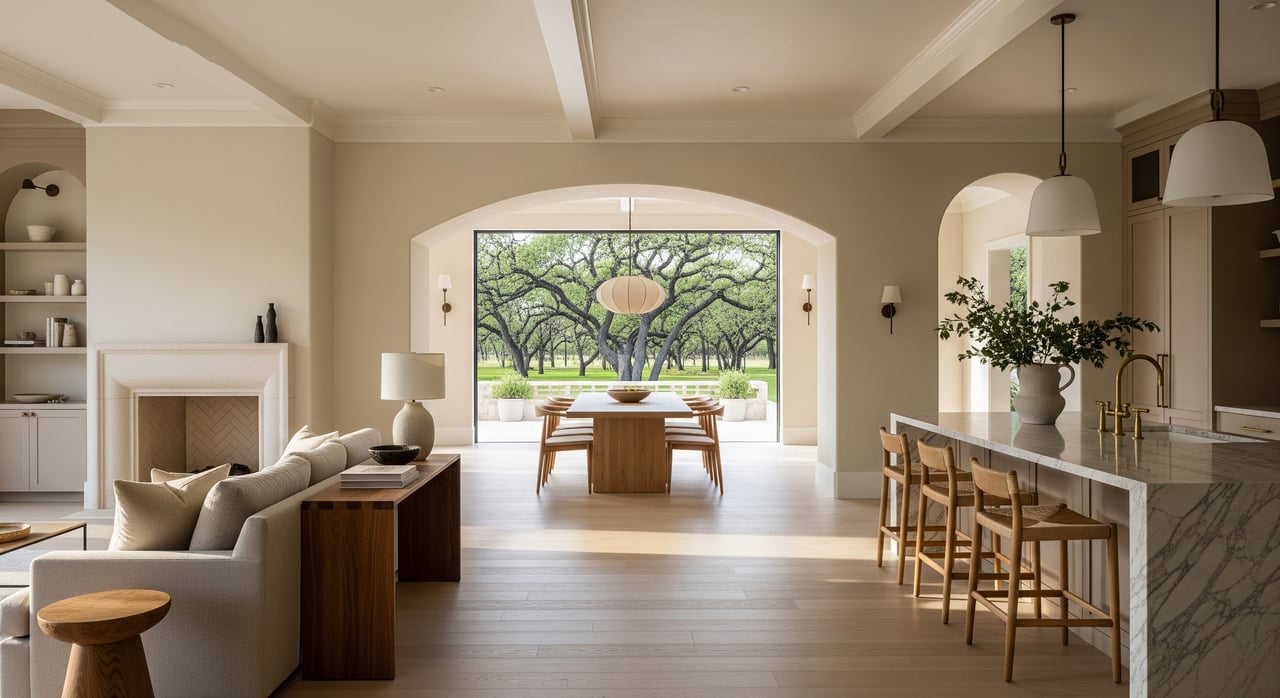
Thinking about opening your Schreiber Manor ranch so it lives bigger, brighter, and more connected? You’re not alone. Many 75244 homeowners want the easy flow of an open plan without overspending. In this guide, you’ll learn practical structural options, kitchen moves, and staging tactics that fit the Farmers Branch market and support resale. Let’s dive in.
Know your 75244 market first
Before you grab a sledgehammer, set a clear budget tied to neighborhood comps. In Schreiber Manor, buyers tend to value single‑level living, updated mid‑century bones, and usable outdoor connection over ultra‑luxury finishes. Over‑renovating or adding more than the neighborhood supports can make it hard to recoup your spend at sale.
Start by pulling 3 to 5 recent renovated comps within a one‑block to one‑mile radius that match your lot size and bed/bath count. Ask your agent to highlight which features drove price. Use that data to target improvements that add perceived space and better flow, not just costly finishes. Keep your total project investment aligned with the top of your immediate comparable range to avoid overbuilding.
What to open first: high‑impact moves
Create an entry-to-backyard sightline
The most valuable sightline in a ranch is entry to main living to backyard. If walls block that visual spine, consider widening doorways, adding pass‑throughs, or removing non‑load‑bearing partitions. Even a partial opening can make rooms read as one larger space.
Open kitchen to living or dining
Buyers love a kitchen that connects to the living area. If a full wall removal is not practical, a generous cased opening or a peninsula with a header can deliver the same social feel. Keep an island or peninsula clear of tall upper cabinets so your view stays open.
Strengthen indoor‑outdoor connection
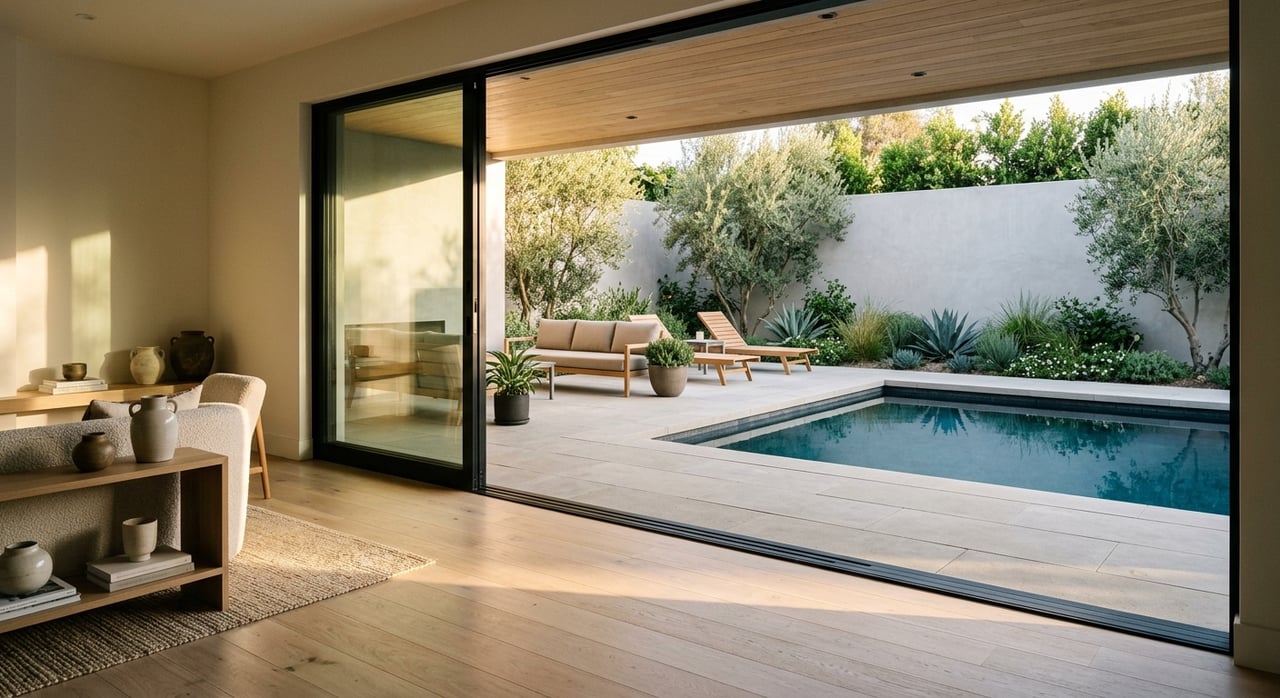
If your lot orientation allows, consider enlarging openings to the patio with sliders or a larger door set. You’ll bring in more natural light and make your entertaining space feel bigger. Verify setbacks, any covenants, and whether the opening touches structural exterior walls before you plan.
Walls, beams, and structure
Find out what is load bearing
Single‑story ranches are great candidates for opening sightlines because many interior walls are not structural. Still, you must confirm. Indicators of a load‑bearing wall include walls aligned with roof beams, walls perpendicular to ceiling joists, thicker continuous walls, and all exterior walls. Always have a structural engineer or experienced contractor inspect the attic framing and verify before you remove or alter any wall.
Beam options for clean spans
If a wall is load bearing, you can replace it with a properly sized beam supported by posts and footings. Common options include:
- LVL (laminated veneer lumber) for many residential spans and a clean boxed look.
- Glulam for larger spans or an exposed wood aesthetic.
- Steel I‑beams for long spans where you want to minimize beam depth. Steel typically requires fireproofing or encasement per code.
- Built‑up lumber beams for moderate spans when budget and headroom allow.
An engineer will size the beam, specify connectors, and address deflection so the ceiling stays level and feels solid. Plan for posts that transfer load to the foundation or new footings. If new footings are needed, factor in excavation, inspections, and curing time.
Where to place beams and columns
Align new beams with existing bearing lines to simplify load transfer. Place posts at logical room boundaries, such as between the kitchen and dining, instead of sitting in the middle of a view. In ranch homes, a flush beam or a built‑in soffit preserves ceiling height. Box or finish columns consistently so they feel intentional rather than intrusive.
Kitchen relocation: when it is worth it
Reasons to move the kitchen
Sometimes the biggest flow upgrade is repositioning the kitchen to connect the living area and backyard, improve natural light, or create a central family zone. In many ranches, shifting the kitchen a few feet can unlock the plan without a full gut.
Cost drivers in ranches
Moving a kitchen gets expensive when you move far from existing plumbing and gas. Major drivers include:
- Plumbing. Drains need gravity slope to the main stack. Moving a sink or dishwasher far from the stack may require new venting or a new stack.
- Gas. New lines and potential meter or regulator changes add cost.
- Electrical. Kitchens need dedicated circuits and may trigger a panel upgrade.
- HVAC. Ducts may need re‑balancing or extension.
The pragmatic approach is to keep the new kitchen within a few feet of existing wet walls. A full relocation across the house typically shifts the project into a major remodel timeline and budget.
Resale do’s and don’ts
A well‑placed kitchen that opens to living and the backyard has strong buyer appeal. Avoid unconventional placements that disrupt bedroom privacy or reduce storage. Keep pantries and a media wall or cabinet run for functional anchoring. Aim to match the finish level and layout features that recent renovated comps in Schreiber Manor delivered.
Smart circulation and zoning
Clear widths that feel good
Plan 42 to 48 inches for main walkways through living, dining, and kitchen. Thirty‑six inches is a practical minimum for main paths. Secondary paths can run 30 to 32 inches in tighter spots. These widths maintain flow and make furniture placement easier.
Define zones without walls
Use your island or peninsula to define the kitchen edge. Add area rugs to set a living zone. Use pendant lights over dining and layer recessed lighting along the main path to guide the eye. Keep at least one solid wall or low pony wall for sofa backing or media, so rooms still read as distinct.
Lower‑cost openness tactics
If you want more openness without major structure, try these:
- Widen interior cased openings and remove unnecessary doors.
- Lower or remove soffits and short partitions to increase perceived ceiling height.
- Run one consistent flooring material through connected rooms.
- Add interior transoms or pass‑throughs to borrow light and views.
- Use glass pocket or sliding doors where you want flexible privacy.
Permits, pros, costs, and timelines in Farmers Branch
Permits you will need
Structural changes, beam installations, plumbing and electrical work, and HVAC modifications generally require permits and staged inspections with the City of Farmers Branch. Expect to submit drawings, pay fees, and pass inspections at footing, rough framing, rough trades, and final. Check for any deed restrictions, HOA covenants, and zoning setbacks before you design large openings or exterior changes.
Licensed trades and engineering in Texas
In Texas, plumbers and electricians must be licensed for most work. Verify trade licenses and insurance, and request references for similar projects. Structural work should be stamped by a licensed structural engineer. A stamped beam design is commonly required for permits.
Timelines and typical ranges
- Remove non‑load‑bearing wall: days to a week plus finish time.
- Open a load‑bearing wall with a new beam: several days to a few weeks for structure, plus 1 to 3 weeks for drywall, trim, paint, and flooring.
- Kitchen relocation: 6 to 12 plus weeks depending on how far you move plumbing and gas and the extent of cabinetry and finishes.
- New footings: add time for excavation, inspection, and curing.
Local costs vary, so get quotes from multiple contractors. Use national ROI publications only as a general benchmark and rely on your local comps for guidance.
Get multiple bids and phase the scope
Obtain at least three bids for structural work and two for finish trades. Consider a phased approach. Do structural openings and rough work first, then live with the layout to confirm furniture placement before committing to built‑ins and final finishes. This reduces expensive rework.
Stage for flow when you sell
Furniture placement that leads the eye
Orient seating so the eye moves from the entry through the living area to the backyard. Keep a 36‑inch clear path free of bulky pieces during showings. Use a sofa against a low pony wall or console table to create a natural room break without blocking views.
Light, color, and continuity
Maximize daylight by removing heavy window treatments and trimming exterior landscaping that blocks light. Use a consistent, neutral paint palette and continuous flooring across the main sequence to make rooms feel larger and more connected. Layer warm, even lighting along the main circulation path.
Show off partial openings
If you kept a header or columns, style them. Box columns with clean trim or wood cladding, and keep the island clear to emphasize the view. Use pendants and under‑cabinet lighting to highlight the kitchen as the social hub.
A simple plan to get started
- Benchmark comps. Review 3 to 5 renovated sales in Schreiber Manor that match your lot and bed/bath count. Align your target features and finish level with those comps.
- Walk the house with pros. Invite a structural engineer and a contractor to confirm which walls are load bearing and to propose beam sizes, post locations, and any new footings.
- Scope and budget. Prioritize opening the main sightline and connecting kitchen to living. Keep plumbing and gas near existing lines when possible. Add a 10 to 20 percent contingency for unknowns.
- Get permits and schedule. Submit drawings, secure permits, and plan inspections. Sequence work as structure, rough trades, then finishes.
- Phase and fine‑tune. Test furniture placement after the structural work before you finalize built‑ins and lighting.
- Stage and list. Use neutral continuity, clear paths, and lighting to show your new flow.
Ready to open up your Schreiber Manor home with a smart, market‑aware plan? Reach out to The Dallas Realtor for renovation‑savvy pricing, contractor connections, and staging that highlights flow. Schedule a free consultation.
FAQs
How do I tell if a wall is load bearing in a Schreiber Manor ranch?
- Check attic framing to see joist direction and any beams, look for thicker continuous walls and exterior walls, then confirm with a structural engineer before removing anything.
Do I need a permit in Farmers Branch to install a beam?
- Yes. Structural changes, including beam installs, typically require permits and staged inspections with the City of Farmers Branch.
How much does removing a load‑bearing wall usually take in time?
- The structural work often takes several days to a few weeks, with an additional 1 to 3 weeks for finishing such as drywall, trim, paint, and flooring.
Is moving the kitchen across the house a good idea for resale in 75244?
- Only if it creates a clear kitchen‑living‑backyard connection and stays within neighborhood norms; long moves that require new stacks and gas lines can overcapitalize your budget.
What walkway widths feel open in an updated ranch layout?
- Aim for 42 to 48 inches for main paths, 36 inches as a practical minimum, and 30 to 32 inches for secondary paths in tighter spots.